| |
| Image updates only refers to wildlife images. Some of the most recent additions will be posted on this page. Older images will ultimately drop off the page. Images presented here will not necessarily make it into the permanent pages. Again, this is not a diary. The absence of images for other days does not mean absence of visits or images on those days. |
| |
| |
| |
 |
| |
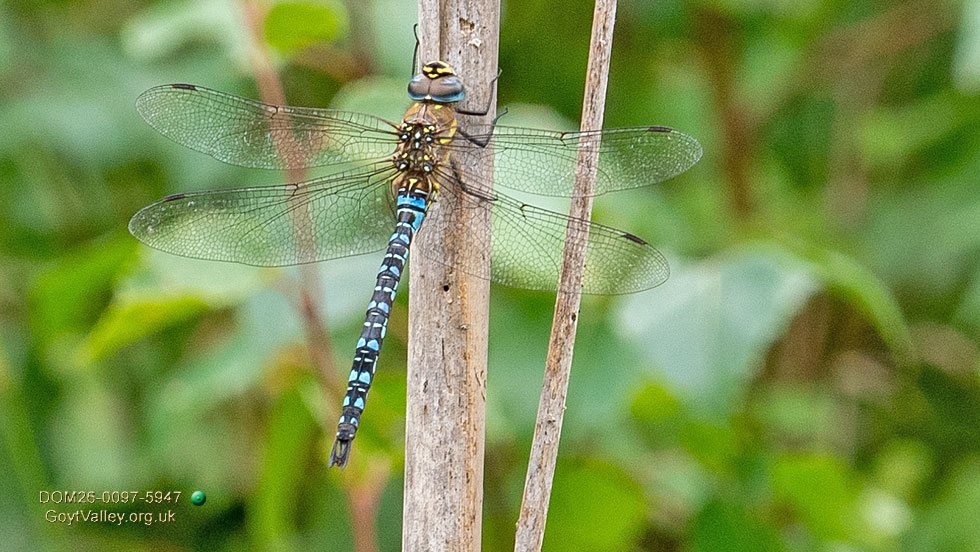
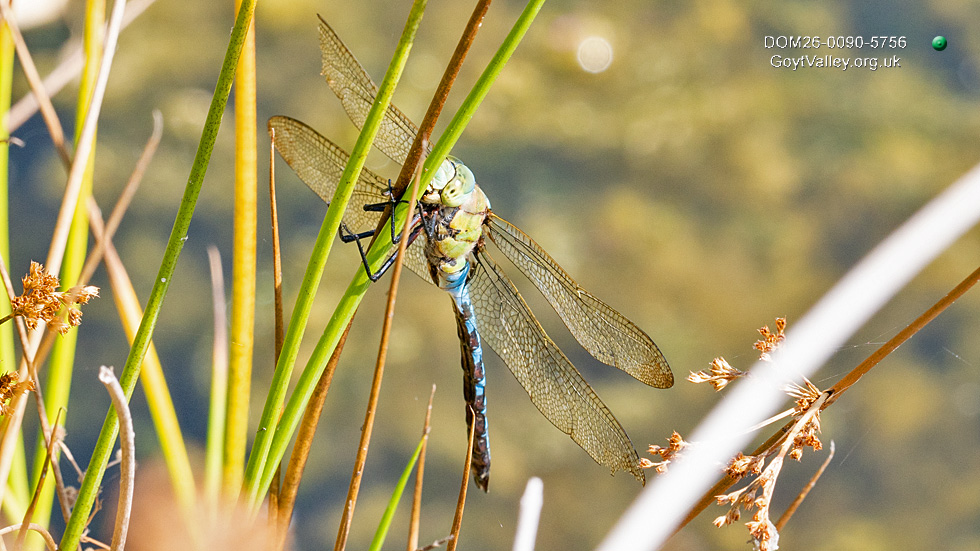
| I have been visiting my local nature reserve as the motor is in for maintenance. Lower elevation than the Goyt and much warmer today than yesterday. I was surprised and delighted to catch this somewhat rare Migrant Hawker Dragonfly (Aeshna mixta) at one of the very overgrown ponds (SJ 94820 84502 - Elevation: 144). I will have to call this in to the British Dragonfly Society and will bounce a copy to the Ranger: September 10th. 2026 |
| |
 |
| |
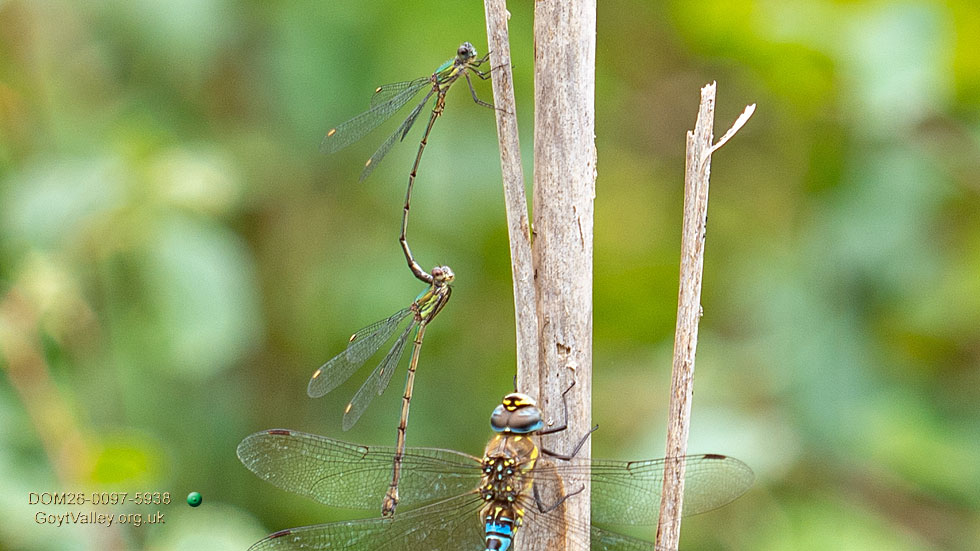
| A pair of mating Emerald Damselflies arrived on the scene and almost landed on the Migrant Hawker, then thought better of it and shifted higher up. They did not stay long. I have seen Emperor Dragonflies make Damselflies into a quick lunch before today. There were also a lot of Common Darter male Dragonflies on the wing. If Friday is sunny this site would be worth another trip: September 10th. 2026 |
| |
| |
| |
 |
| |
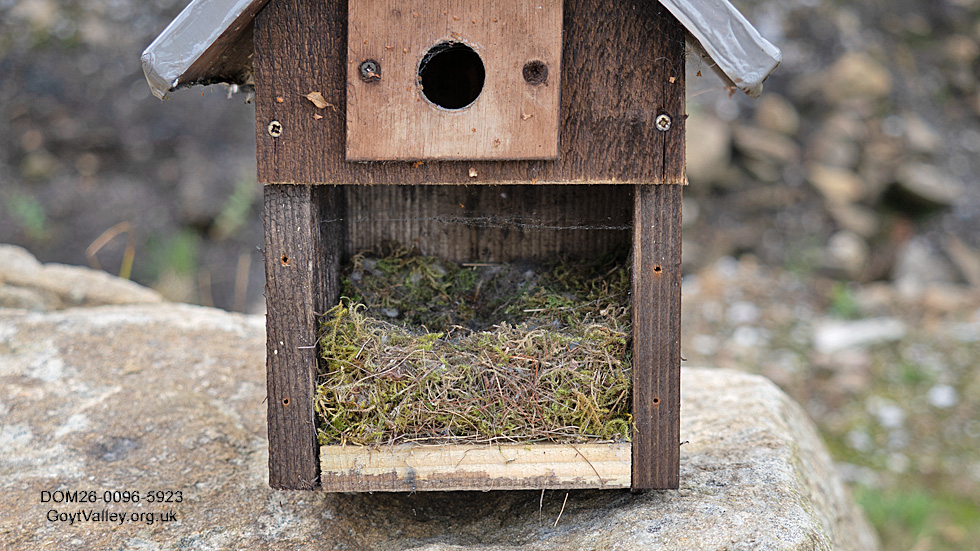
| Busy 'servicing' bird boxes. This starts after September 1st in any year. Any box containing nest material is replaced with a fresh sterlised box on the spot. The utilised boxes can then be sterlised for next year. If necessary re-treated with Barrettine then left ouitside under cover for 11 months so there is no residue. I only maintain this style of box. Complete nests were bagged and sealed ready for freezing for a minimum of 72 hours to kill ticks. Nests can then be examined for parasites on a rainy day indoors. The illustrated nest box was heaving with earwigs: September 3rd. 2026 |
| |
 |
| |
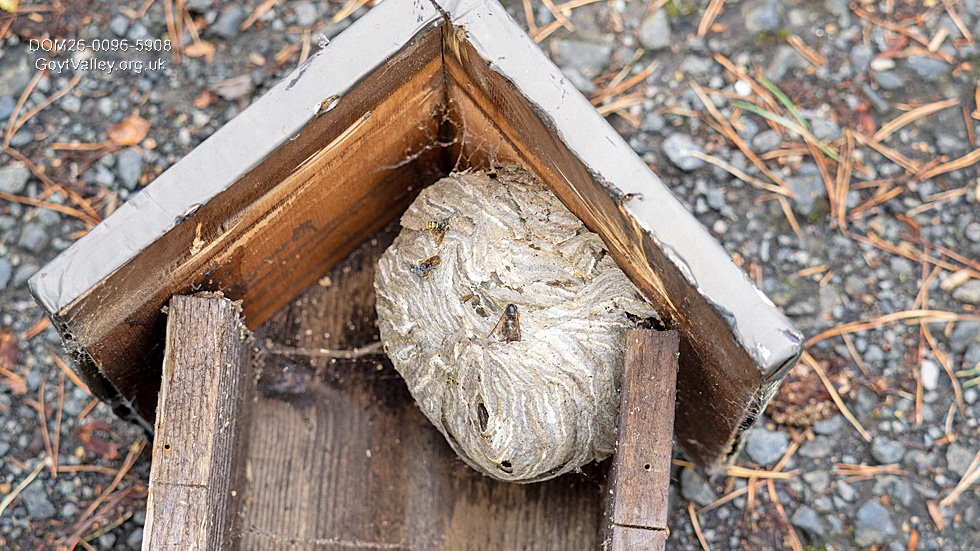
| Boxes are also utilised by Wasps. This size seems typical though in houses I usually expect Wasps' Nests to be the size of medicine balls. That said there are 9 species of nest building wasps in the UK. These are scraped clean and re-used. One box was fitted with a camera but the lens was covered with Spider webs: September 3rd. 2026 |
| |
| |
| |
 |
| |
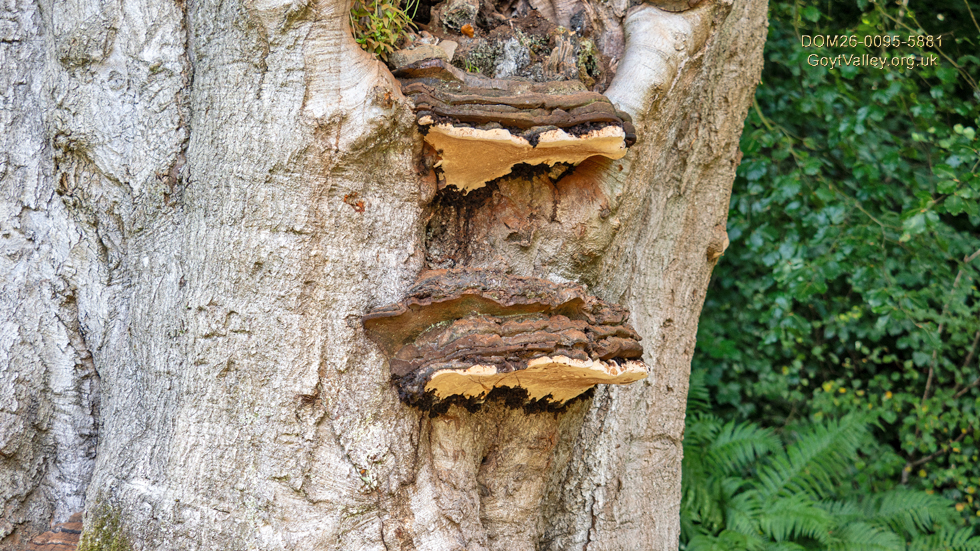
| I watch this giant Beech every year sporting large, woody bracket fungus attached to the bark of the tree trunk, featuring a multi-layered, furrowed brown upper surface and a pale, creamy-white pore surface underneath. The creamy white is new growth. There is a huge green canopy but much of the back of the tree is obviously dead. I would like to have been there when it first took root: August 24th. 2026 |
| |
 |
| |
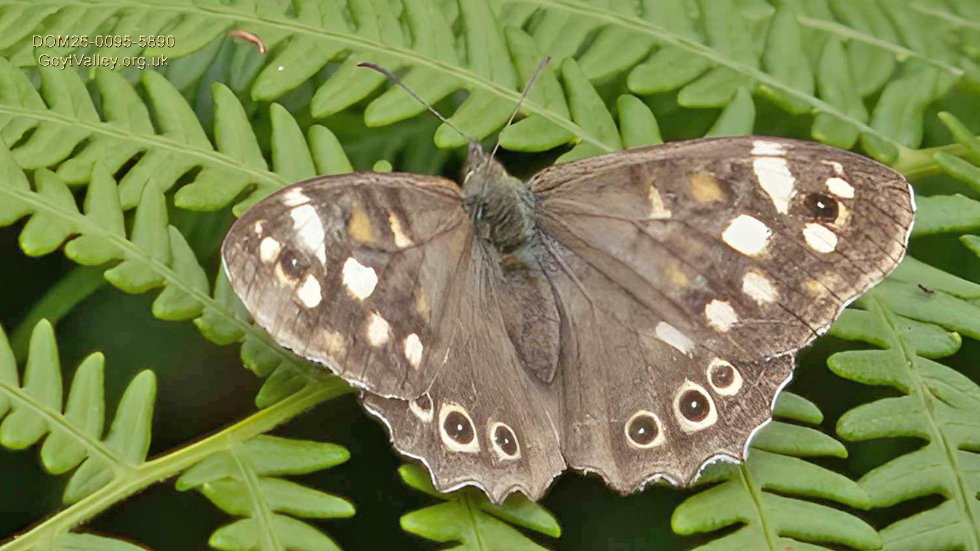
| The Speckled Wood Butterfly at last. Seem to be few and far between this year: August 24th. 2026 |
| |
 |
| |
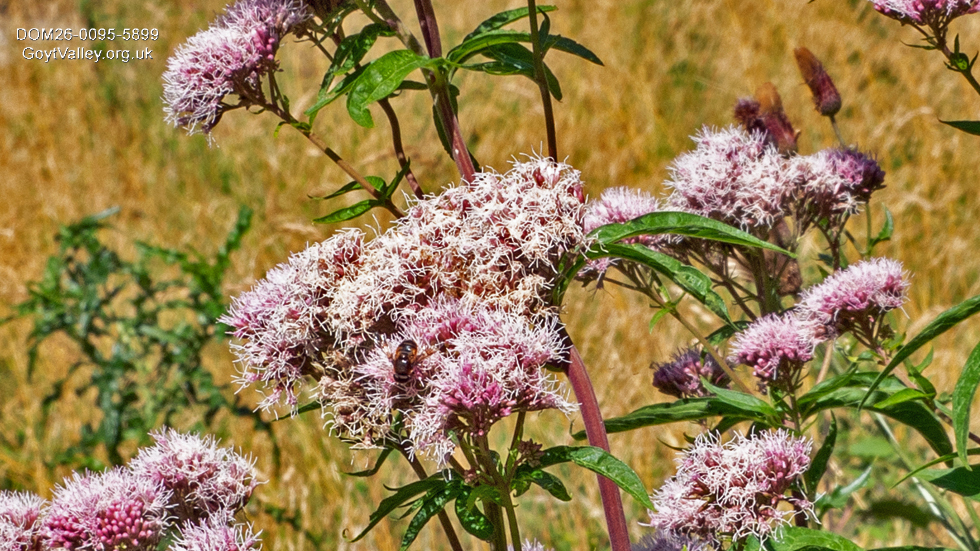
| Hemp-agrimony (Eupatorium cannabinum), a late summer flowering attractive source for Bees and Butterflies. As I arrived a large Red Admiral took off: August 24th. 2026 |
| |
| |
| |
 |
| |
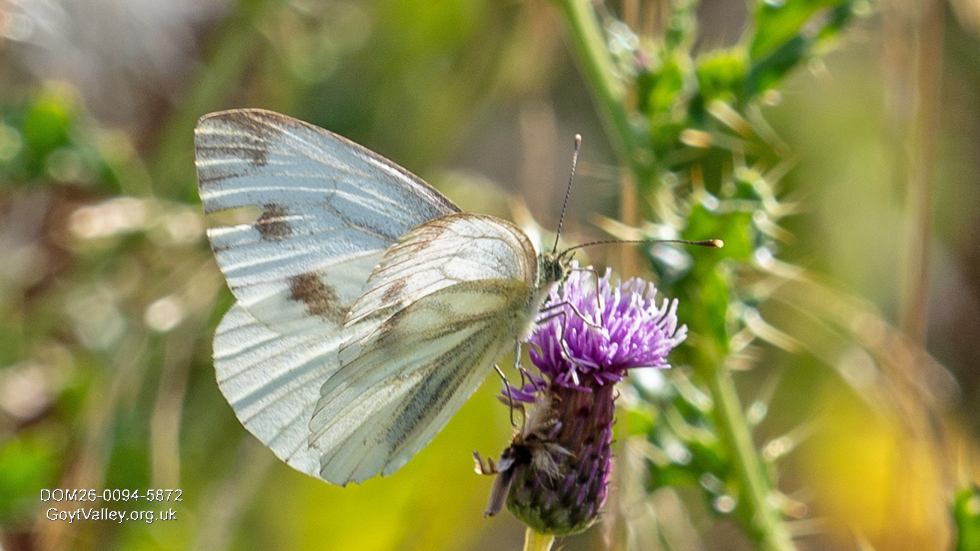
| Female
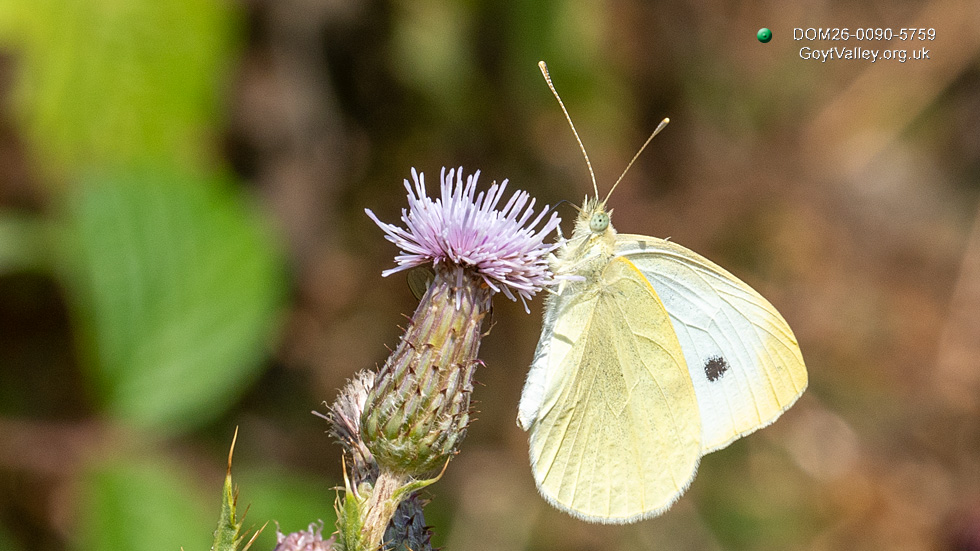
Green-veined White Butterfly (Pieris napi) on thistle. The whites are difficult to pin down usually, especially on a warm day like today. Numbers of all Butterflies are decreasing though I did see a few 'browns': August 23rd. 2026 |
| |
| |
| |
 |
| |
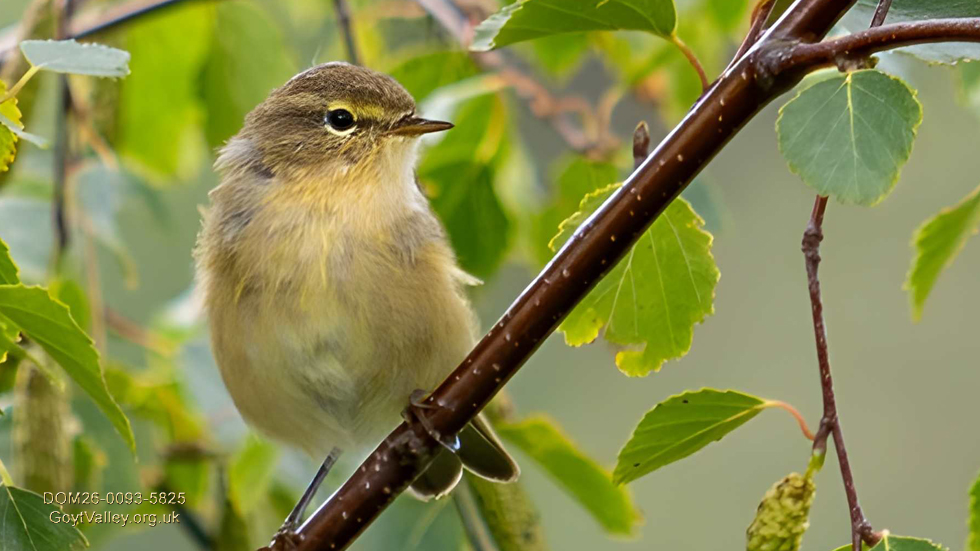
| I have been getting out but not taking images until today when I was walking. Geared up for Butterflies but took this opportunistic shot while seated on a wall on the East side of the Errwood (Route 5). It is either the Chiffchaff (Phylloscopus collybita) or closely related Willow Warbler (Phylloscopus trochilus). Not enough image data to be certain either way: August 22nd. 2026 |
| |
 |
| |
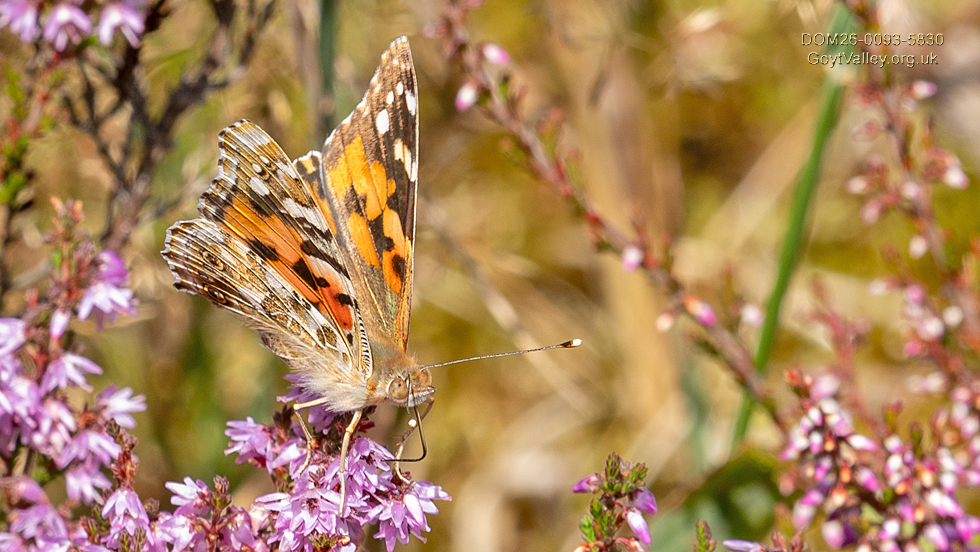
| A perfect day for Butterflies, in the Goldilocks zone of 18C, yet surprisingly few seen. As above, several Painted Ladies still about and now feasting on Ling as the thistles reduce in availability: August 22nd. 2026 |
| |
 |
| |
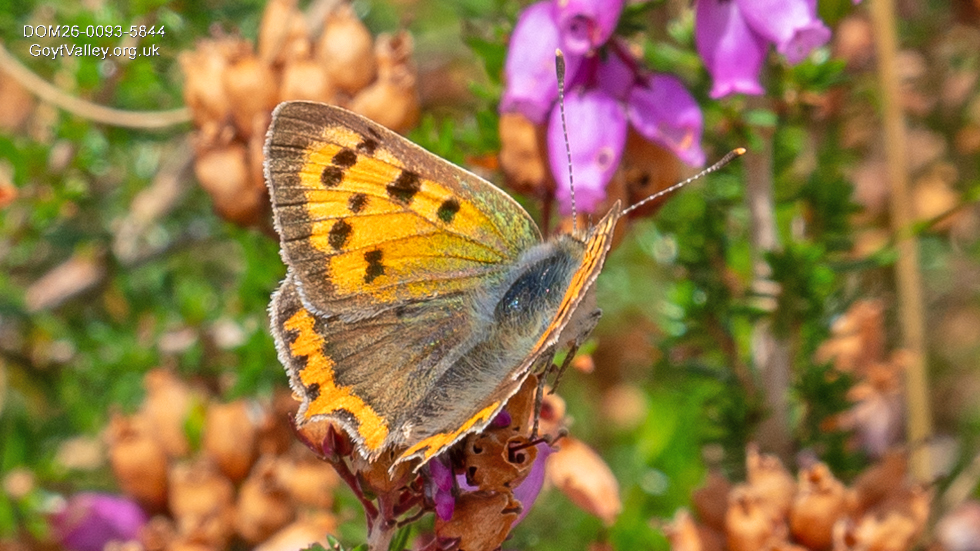
| The Small Copper still represented here and there: August 22nd. 2026 |
| |
 |
| |
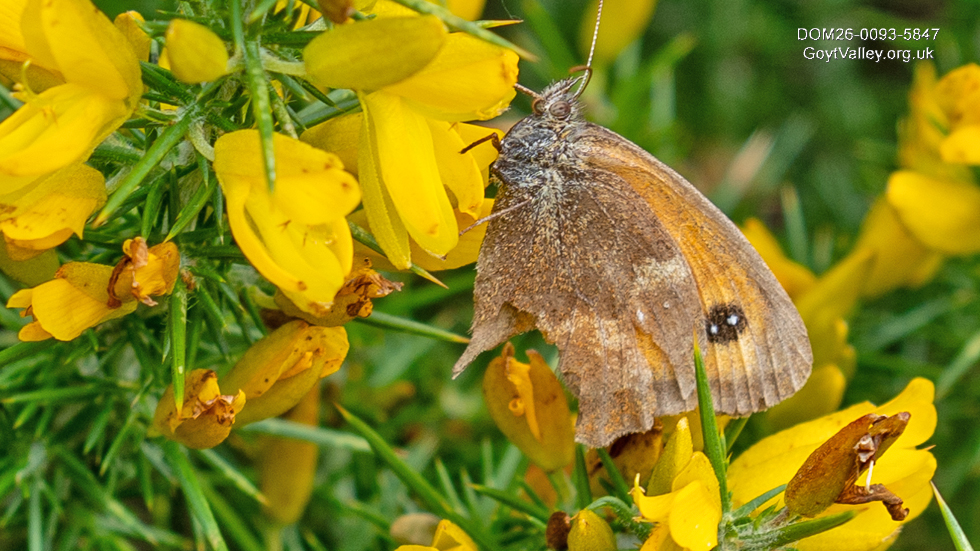
| This lone Gatekeeper Butterfly has obviously been in the wars and here feasting on Gorse which is now blooming everywhere. NB: I am not aware of any (related) Broom in the Goyt: August 22nd. 2026 |
| |
 |
| |
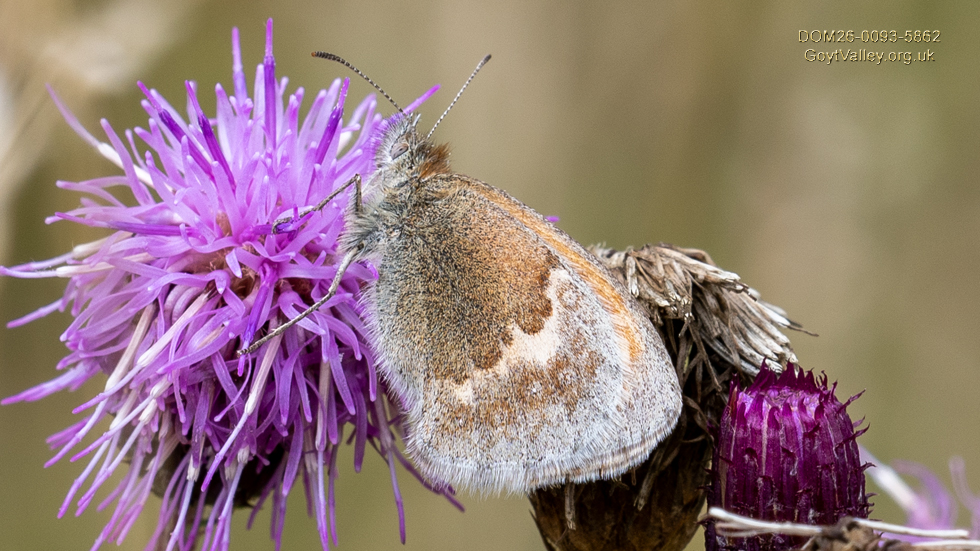
| Spotted this lone Small Heath Butterfly on one of the relatively few thistles. I also saw one (only) Peacock Butterfly. Whites in the majority including the Small white and Green-veined White. The latter harder to pin down and I will work on that tomorrow: August 22nd. 2026 |
| |
 |
| |
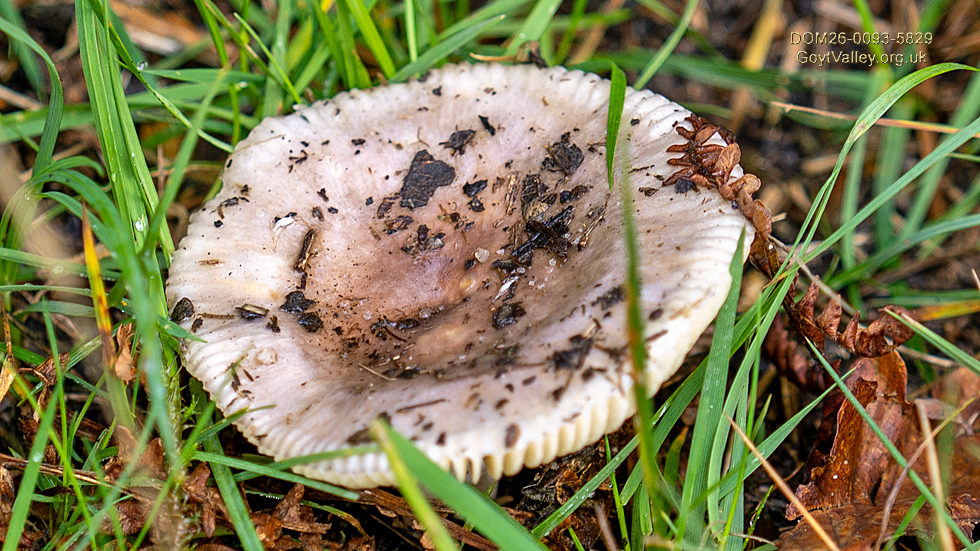
| Fungi starting to appear and this is believed to be Russula cyanoxantha of the Brittle Gill family. That said foraging fungi I have not and never will do. Too risky for my tastes when quality products are available from Supermarkets at reasonable cost: August 22nd. 2026 |
| |
 |
| |
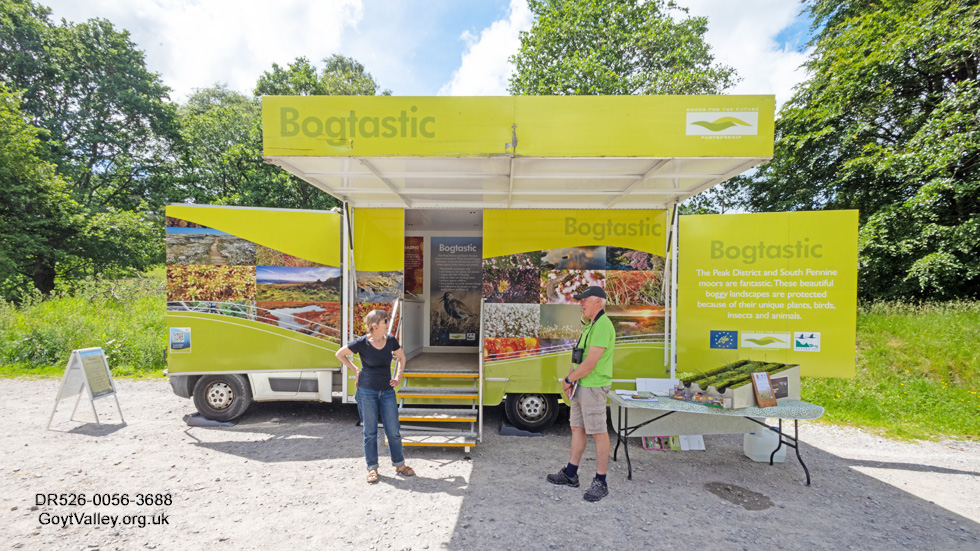
| This archive image from June 20th. this year is provided to acknowledge the return of Bogtastic today: August 22nd. 2026 |
| |
| |
| |
 |
| |
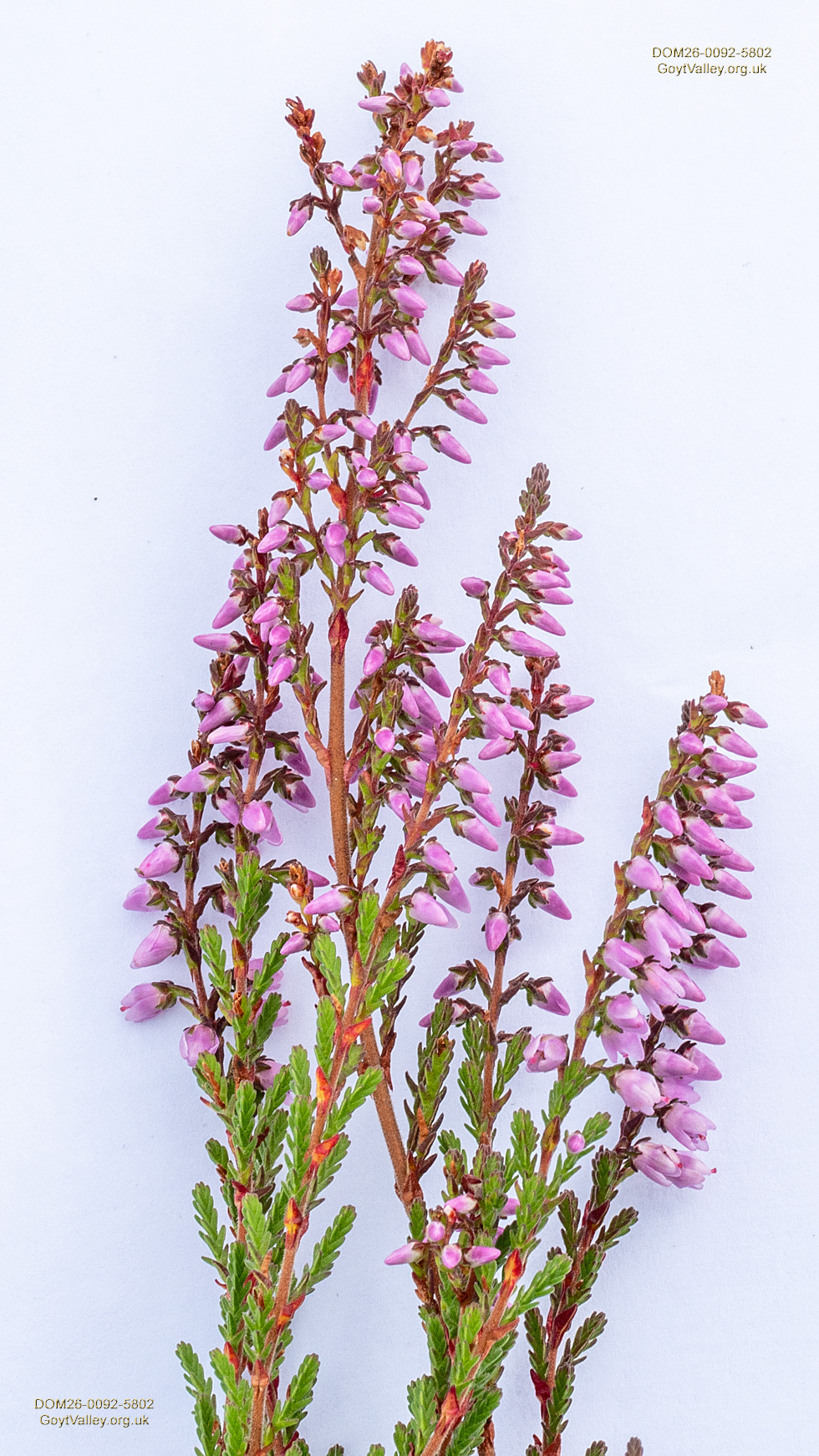
| I have been waiting for the well-known Heather to bloom so it can be compared with Bell Heather and Cross-leaved Heath, all of which share a similar coloured bloom. Also known as Ling, this better known Heather has relatively minute bells. The leaves of all three are also distinct when studied. This image taken against a white background to avoid confusing the image: August 16th. 2026 |
| |
 |
| |
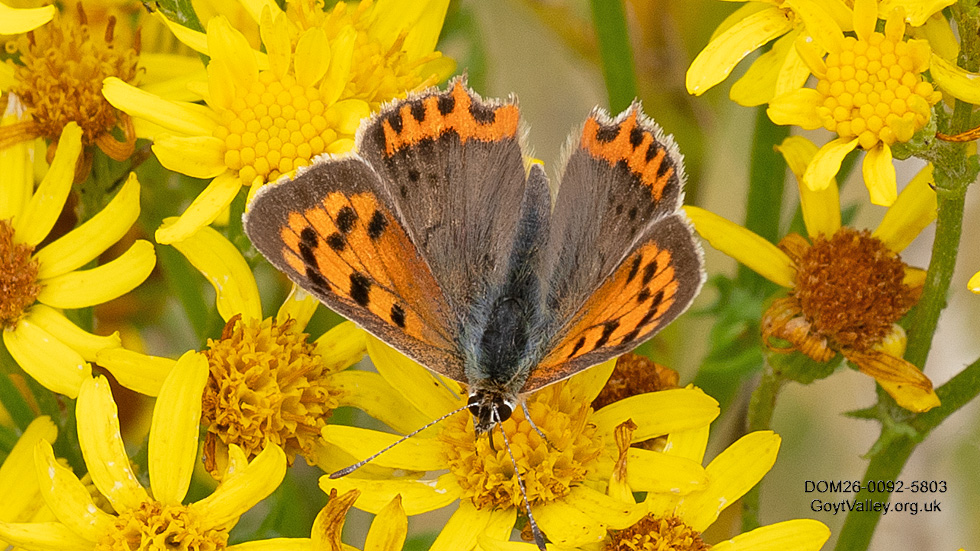
| We seem now to be reduced to a handful of these Small Coppers (on Ragwort) and a substantial number of emerging Small Tortoiseshells (on remaining thistles) as well as a few Small Whites. Plenty of time yet for new broods: August 16th. 2026 |
| |
| |
| |
 |
| |
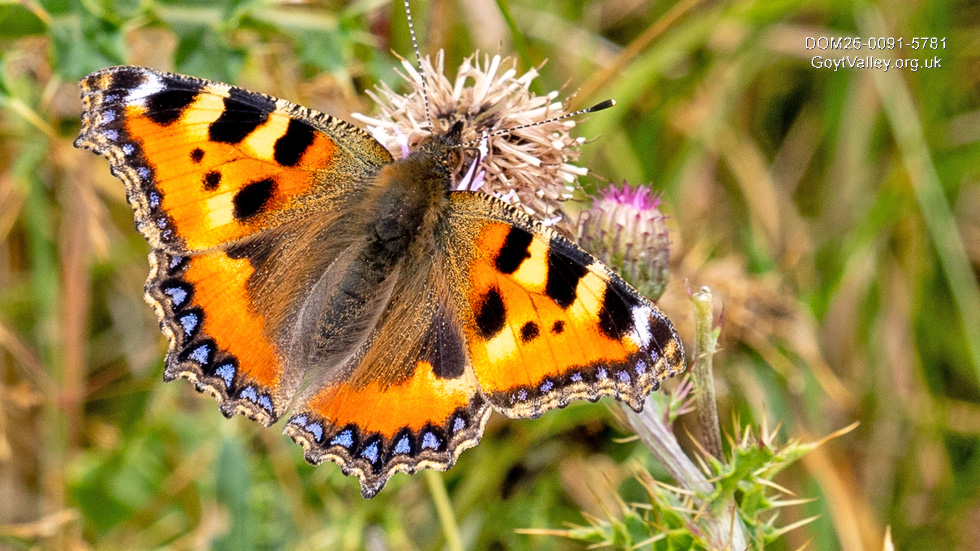
| What a difference a day makes. Temperature plummeted and the sun (almost) vanished, enabling me to get back on target on Route 10C. The Small Tortoiseshell has multiple broods per annum and this is clearly a pristine second generation feeding on the now diminishing thistles, as shown below: August 15th. 2026 |
| |
 |
| |
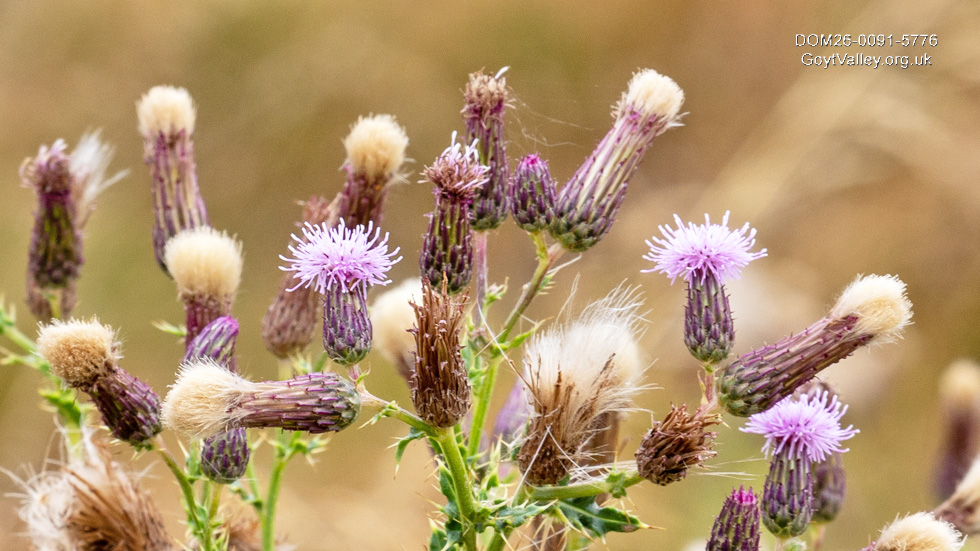
| The numbers of thistle heads diminishing, though there is plenty of Willow Herb that will delight many species: August 15th. 2026 |
| |
 |
| |
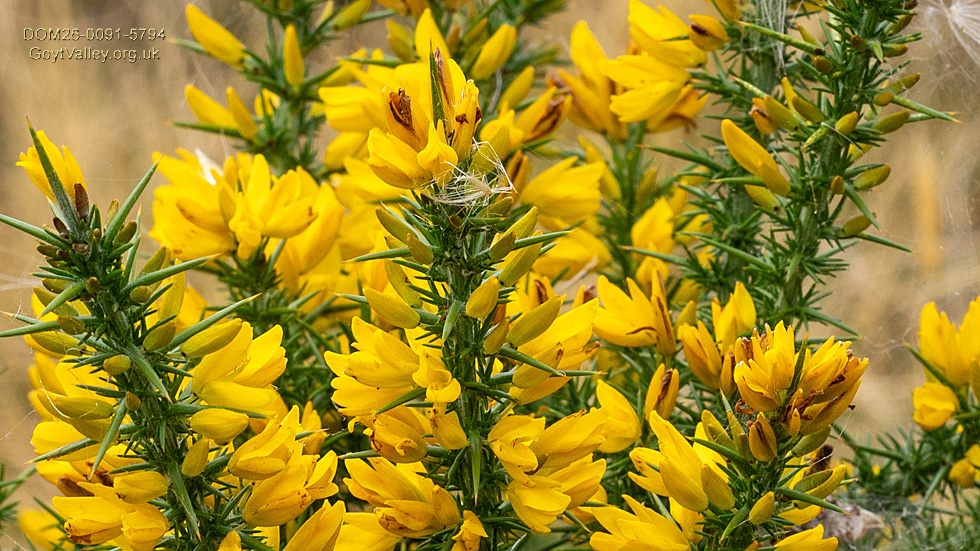
| Gorse (above) is now flourishing like Broom but there is very litle Broom in the Goyt. Both attractive to Butterflies: August 15th. 2026 |
| |
 |
| |
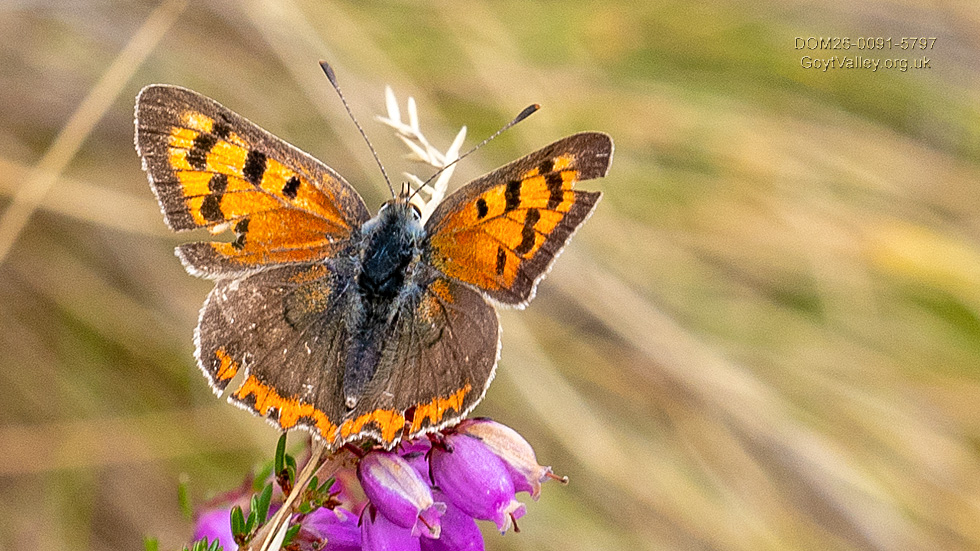
| This 'tired' looking Small Copper Butterfly on widely flourishing Bell Heather will not be the last of the species as well. More to follow. Also flourishing is Common Heather (a.k.a. Ling) and I will focus on that tomorrow. They also have bells but they are minute next to Bell Heather and Cross-leaved Heath (Heather) species: August 15th. 2026 |
| |
| |
| |
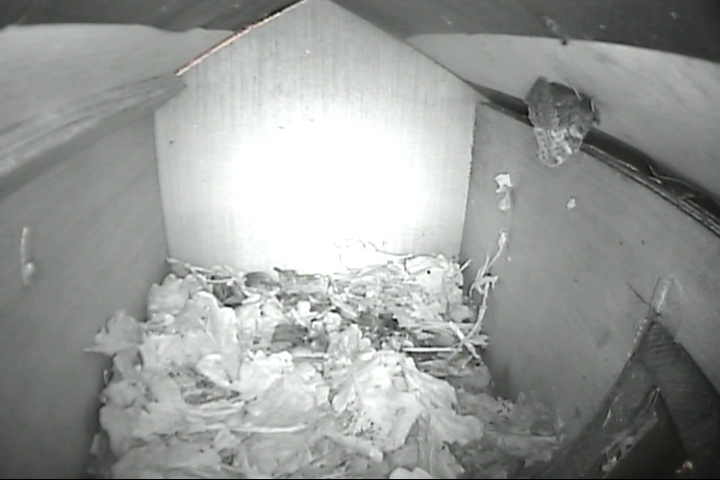
| This peacock Butterfly (top right) is sheltering in my Hedgehog house and one over-wintered in there this past winter. I expect this one to move once the weather cools next week but we'll see.
I am seeing many 'browns' hiding in dark corners out of the sun.
NB: The native image size of the camera installed is 720px x 480px, smaller than my standard 980px width for other images:
August 14th. 2026 |
|
 |
|
| |
 |
| |
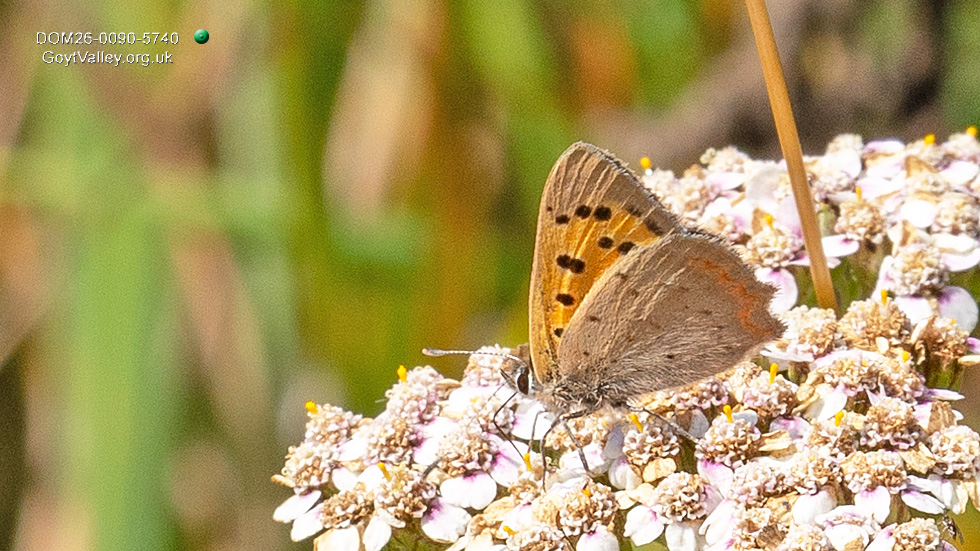
| Have deferred Lightwood until next week when there should be less strong sun. Embarked on a brief tour of hot spots to check status. Following a brief stop at Ashfield, continued to Taddington MHM where the pond has completely vanished, though I saw a Hawker and an Emperor on the wing. Aside from Small Whites the only Butterfly was this Small Copper: August 14th. 2026 |
| |
 |
| |
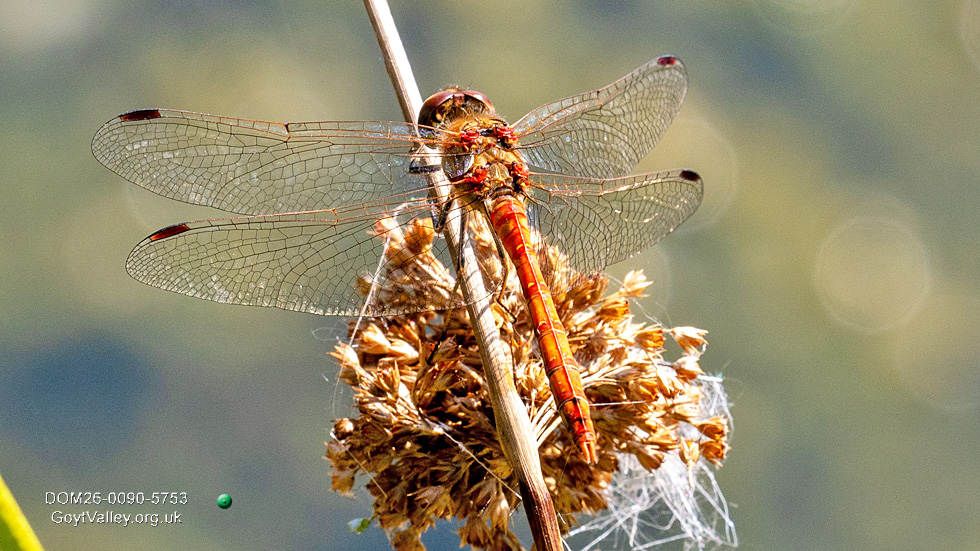
| Dropped in to Monyash Village Pond which is largelty unaffected though some Blanket Weed is appearing on the far side. Spotted this Ruddy Darter as well as a good supply of Common Darters (all males and I do not yet recall seeing many females this year): August 14th. 2026 |
| |
 |
| |
| Also at Monyash this male Emperor was dominatng the whole pond and I was fortunate enough to see it 'drop' (land): August 14th. 2026 |
| |
 |
| |
| Plentiful supply of Small Whites (which apparently reflect the sun). I also called into Hard Rake on my return leg and snapped 'Brown' Butterflies but they were all resting in very dark places to escape the relentless sun and heat. Images rejected. All images today impacted by excessive glare: August 14th. 2026 |
| |
| |
| |
 |
| |
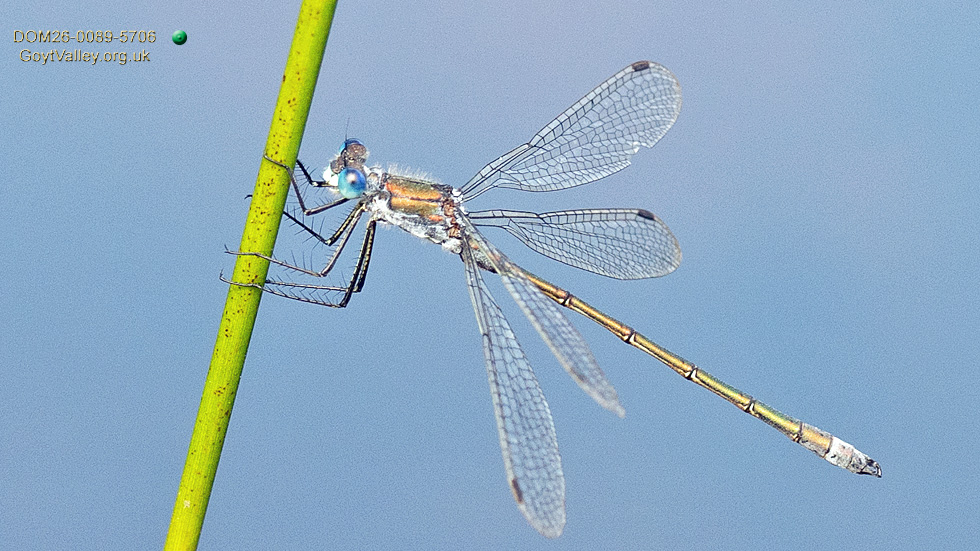
| Returned to Lightwood after the Willow Emerald and was unsuccessful. Disastrous might be a better descritpion as all images were too dark. I could lighten them somewhat but they were not acceptable to me therefore I will not inflict them on anyone else. I got this 'regular' Emerald Damselfly
(Lestes sponsa
) on the next pond which is not handicapped by flora as the Willow Emerald pond is (see below). The above Emerald has dark wing spots and colourful eyes. Useful for comparision. Far too hot to stay long carrying cameras, lenses and tripod etc: August 13th. 2026 |
| |
 |
| |
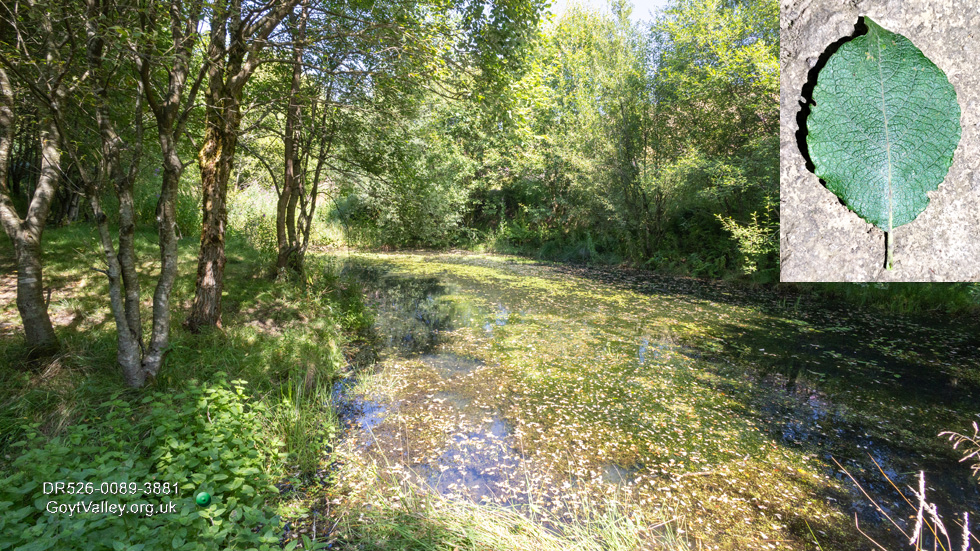
| The Willow Emerald pond [SK 05497 75165]. My 'Flora incognito' phone app suggests the tree/bush concerned (second on the left) is a Goat Willow and the neighbouring tree/bush a Grey Willow. Inset leaf is the Goat Willow. Challenging trying to shoot there given the extreme heat and sun firing through the gaps in foliage. Neverthelss I am going to try again tomorrow with a different configuration: August 13th. 2026 |
| |
| |
| |
 |
| |
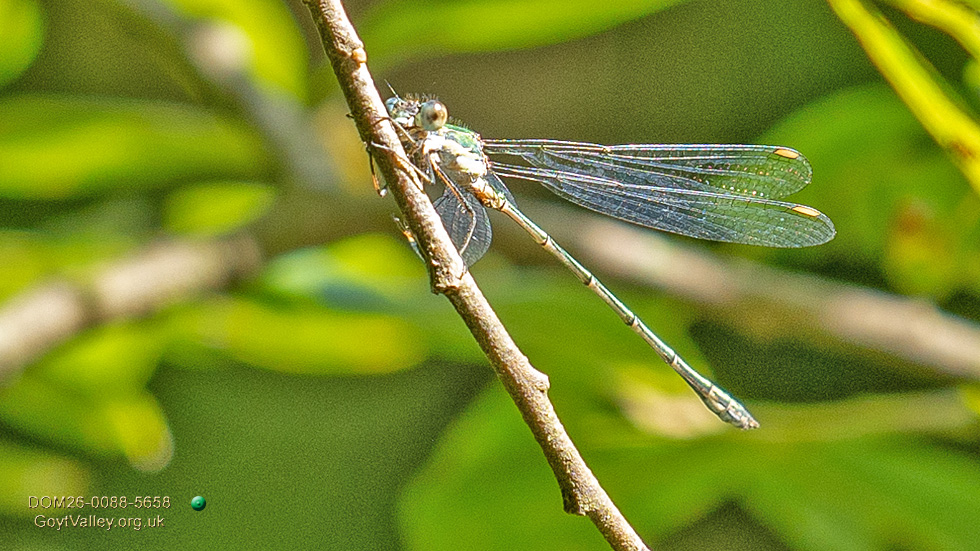
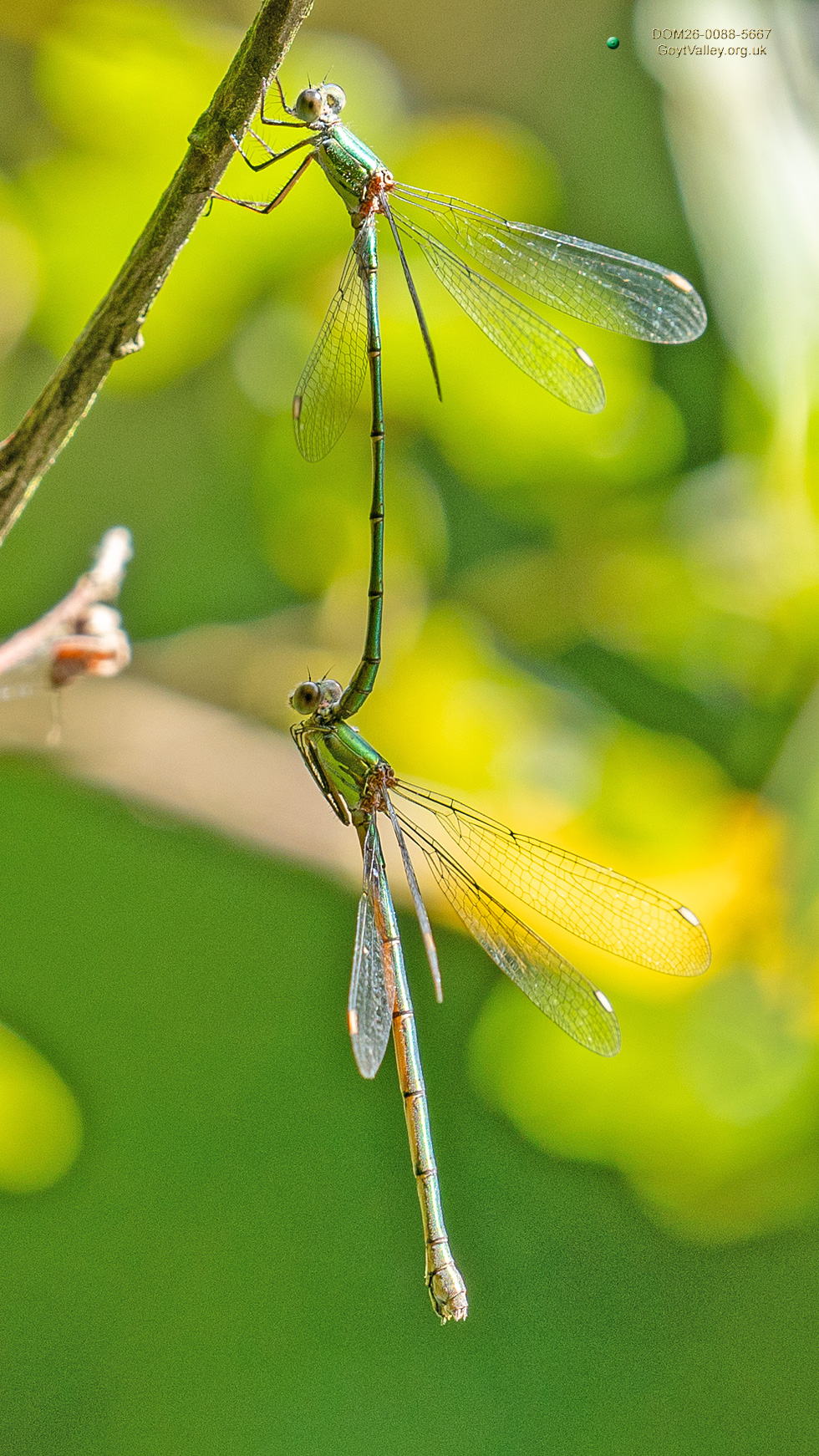
| I knew this was unusual (for me) the instant I saw it. Obviously an Emerald Damselfly and obviously mature but in the wrong place. The Emerald always remains within a shallow layer of air space above the surface of ponds. This (and others) was higher and obviously at home in a Willow. Hence its name, the Willow Emerald. The first time I have snapped one. Buxton Lightwood. The light wing spots first suggest a teneral (immature) example, but the mating pair below confirms they are not immature: August 12th. 2026 |
| |
 |
| |
| The British Dragonfly Society (BDS) has kindly confirmed beyond doubt, this is the Willow Emerald Damselfly. The female lays eggs attached to Willow branches and the larvae drop into water. The lens has picked up detail I did not see readily given the conditions. Struggling for light and perched in a precarious position on the margins. I want to return and look for eggs. NB: Steve Orridge has confirmed the species has already been recognised at Lightwood and the BDS has confirmed the species is spreading in this part of the world: August 12th. 2026 |
| |
 |
| |
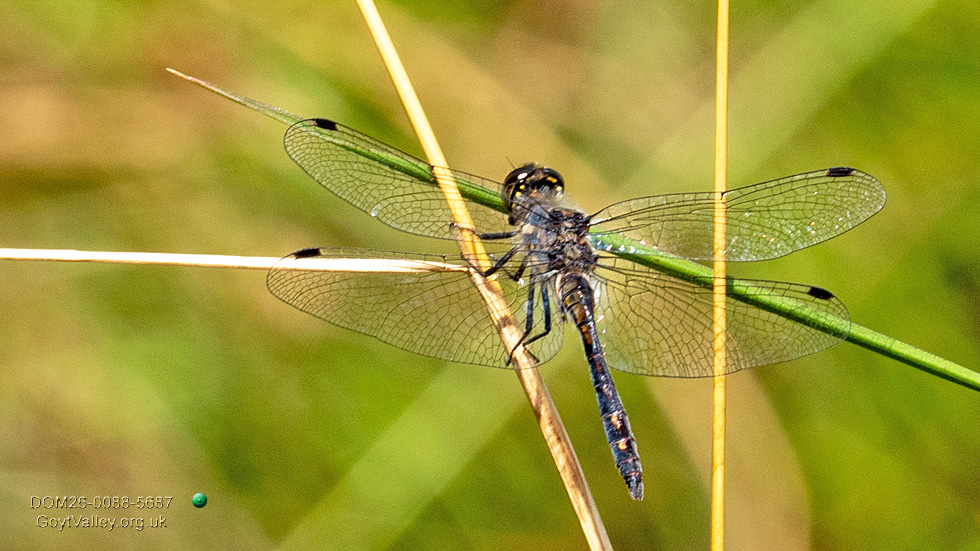
| Also got another of my favourite Black Darter Dragonflies. There is a small colony of them: August 12th. 2026 |
| |
| |
| |
 |
| |
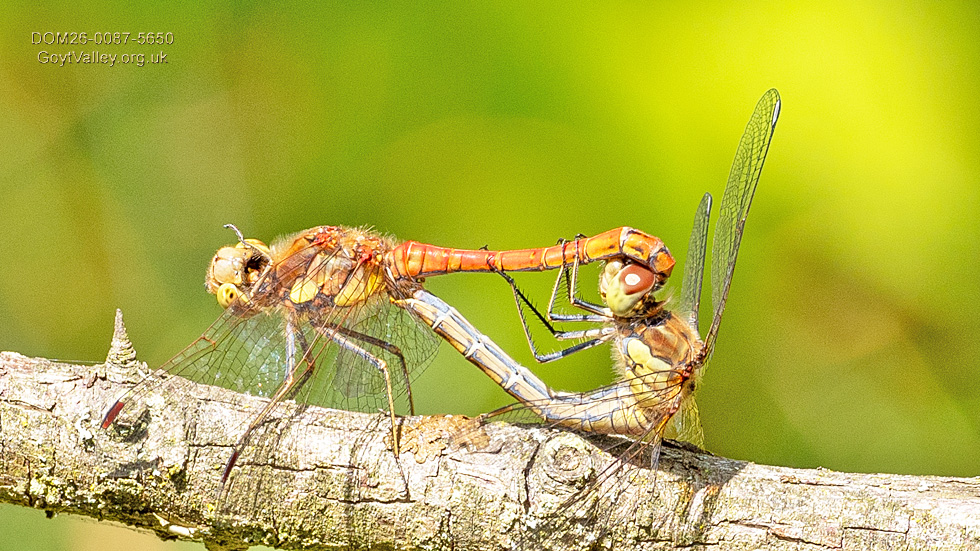
| A trip to my local Nature Reserve delivered this pair of Common Darters in their mating posture. Plenty of females ovipositing as well and they do that on the wing, also remaining coupled to the male. Too hot to walk any distance: August 11th 2026 |
| |
| |
| |
 |
| |
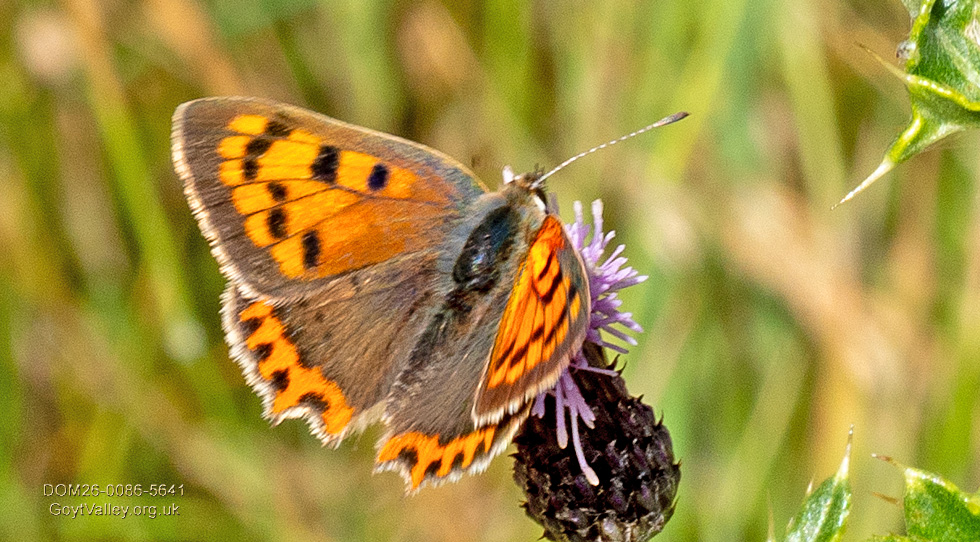
| It was cool enough to walk today but I took the eBike and could not leave it. Starting to see the Small Copper Butterfly and it really is small like the Holly Blue and Green Hairstreaks: August 10th. 2026 |
| |
| |
| |
 |
| |
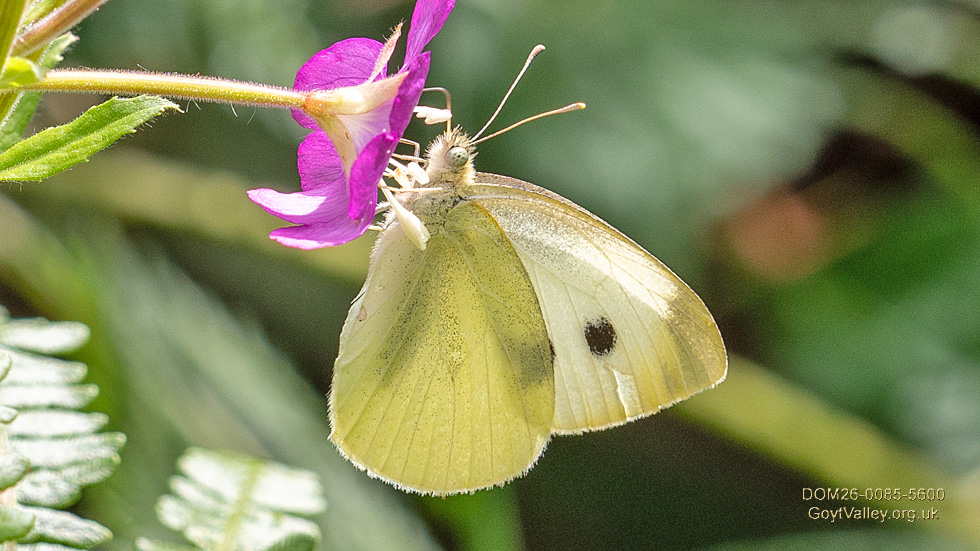
| I managed a Small White Butterfly at last on Route 2, Goyt Forest trail. These touch down for a second or two and if you are lucky they may stay for 3 or 4 seconds occasionally. But you have to be ready to point and shoot. A very warm day when carrying a lot of kit and a technical harness: August 9th. 2026 |
| |
 |
| |
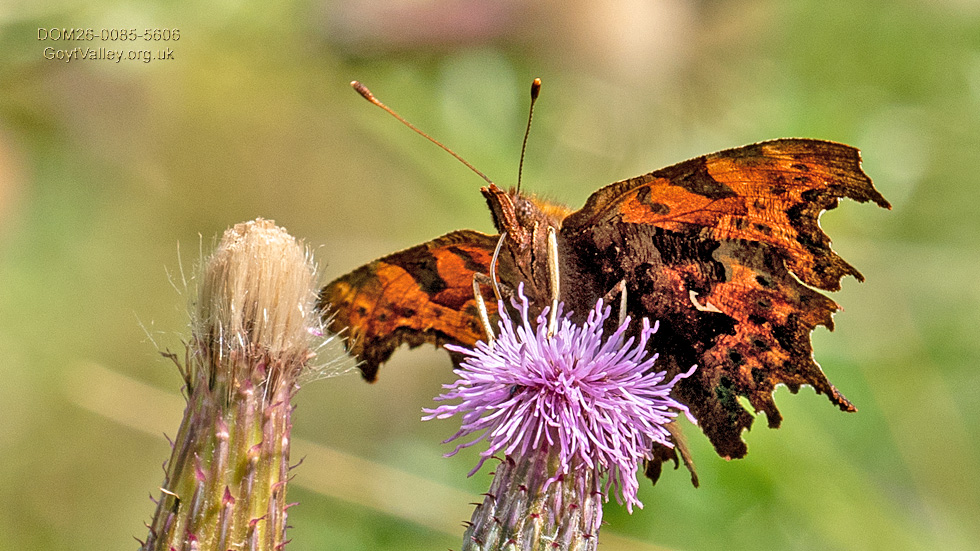
| A very localised Comma Buitterfly. The last one weeks ago in roughly the same area: August 9th. 2026 |
| |
 |
| |
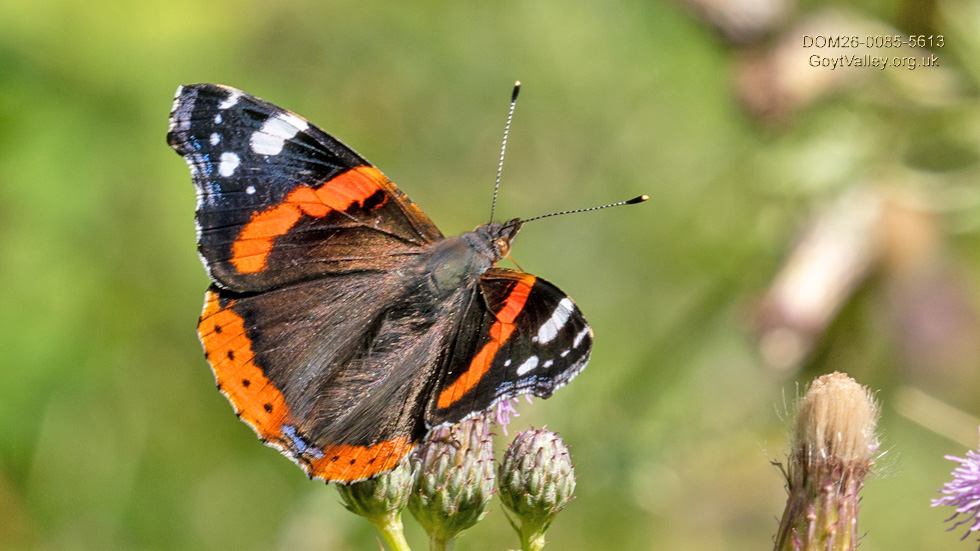
| Plentiful all over this year, the Red Admiral Butterfly but again localised today: Aufgust 9th. 2026 |
| |
 |
| |
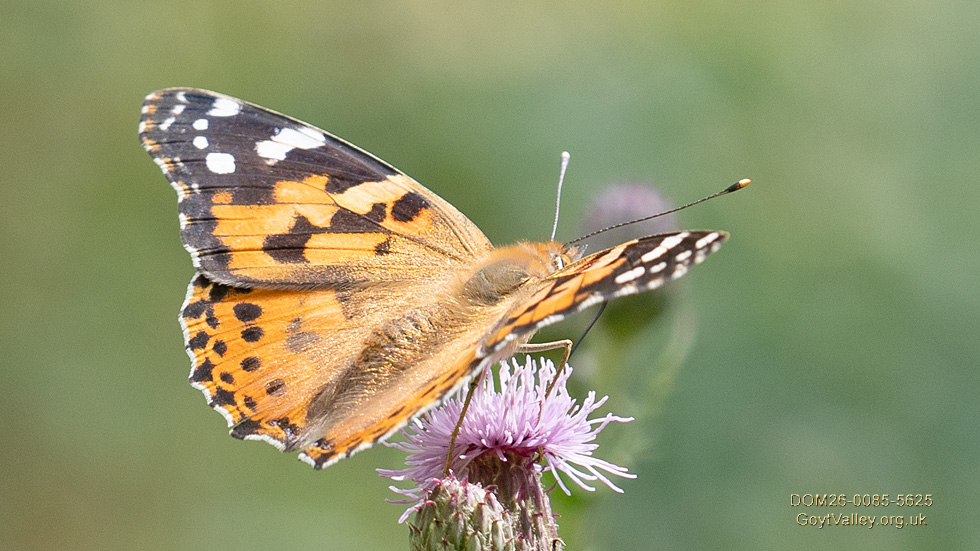
| Still plenty of Painted Lady Butterflies all over the Goyt including yesterday: August 9th. 2026 |
| |
 |
| |
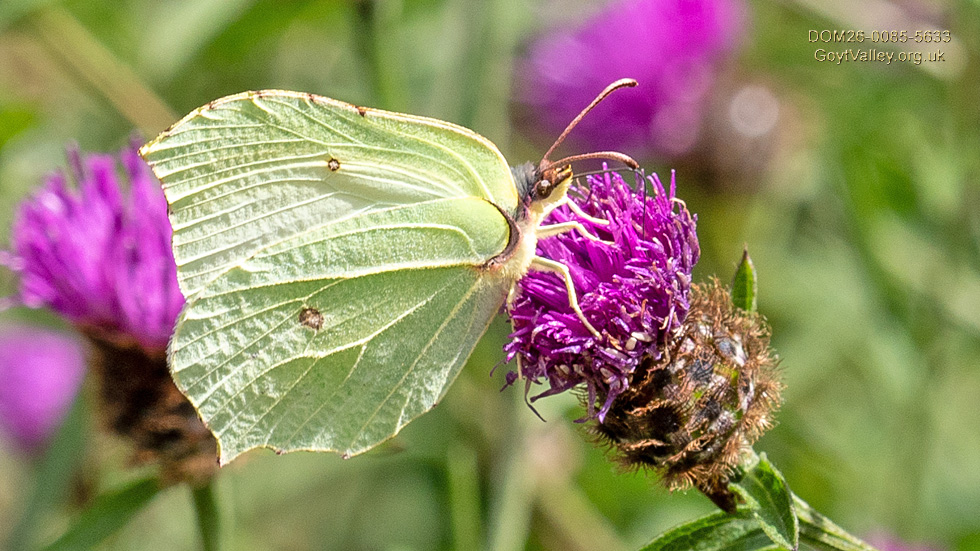
| Really delighted to catch the (male) Brimstone Butterfly at last. Rarely seen these anywhere this year. Generally otherwise not seen many other Butterflies elsewhere. Still seeing the odd Small Heath and Green-veined White. eBike tomorrow to reach a couple of more distant hotspots in the Goyt (but I still prefer walking): August 9th. 2026 |
| |
| |
| |
 |
| |
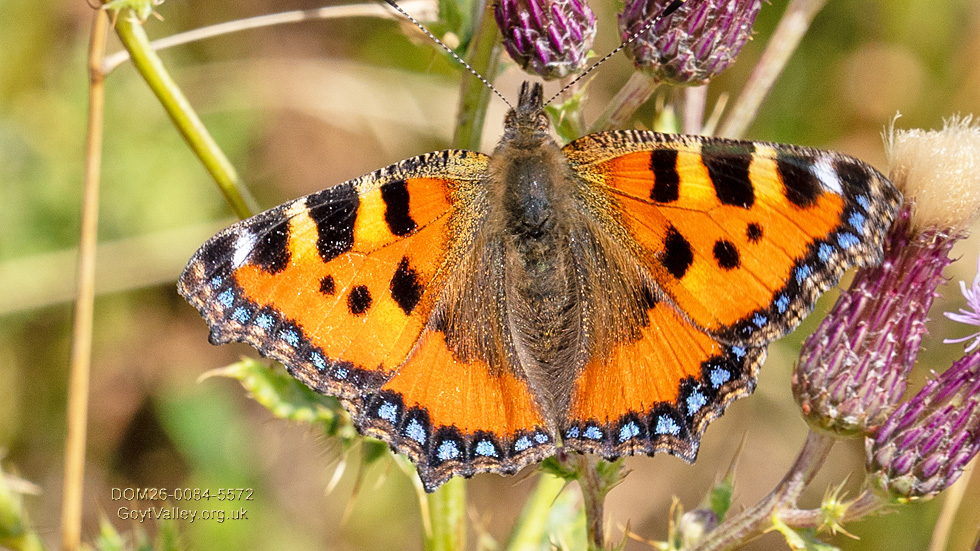
| Token images from a warm day on Route 10. A pristine Small Tortoiseshell Butterfly: August 8th. 2026 |
| |
 |
| |
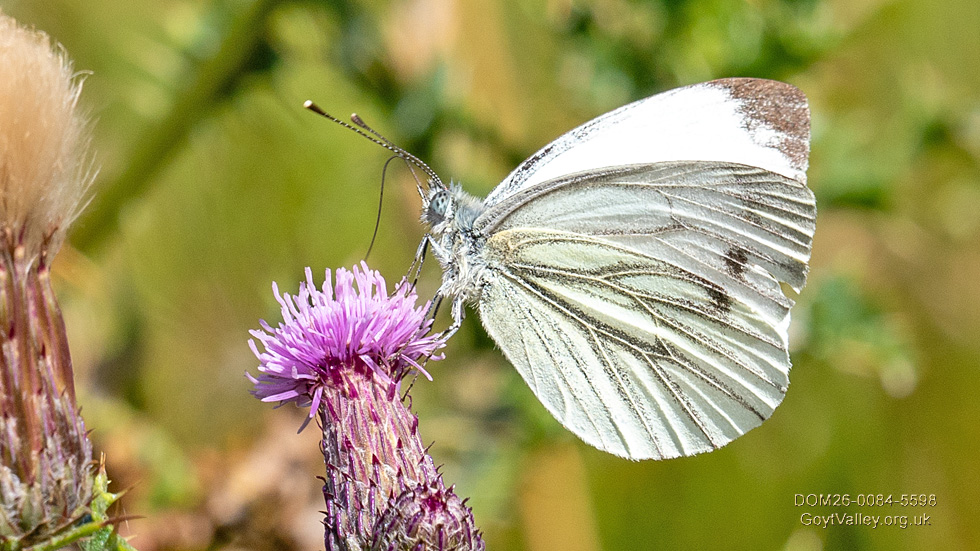
| The ubiquitous Green-veined White Butterfly. Others seen still on the day include, Small Heaths, Peacocks, Painted Ladies, Meadow Brown (possibly), a solitary Holly Blue and Small Whites: August 8th. 2026 |
| |
| |
| |
 |
| |
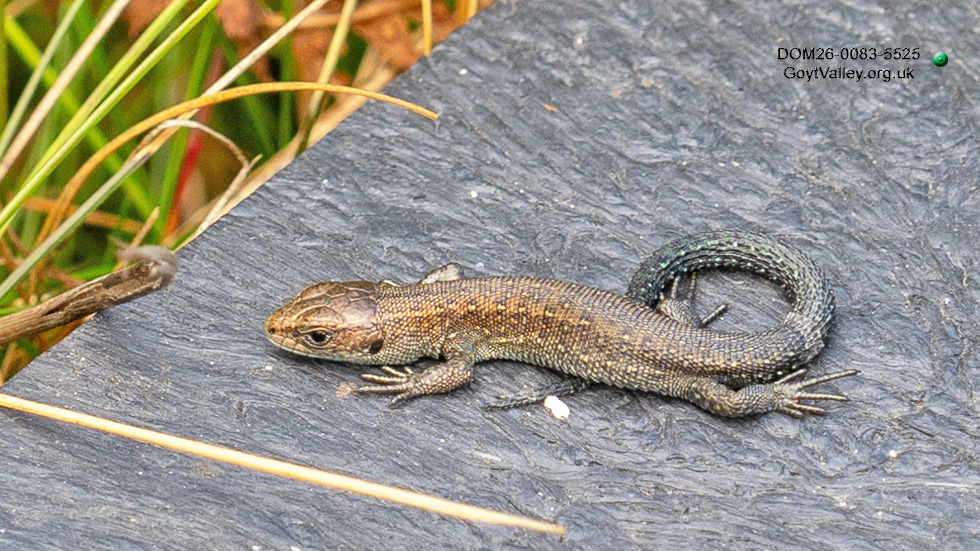
| Given the uncertain forecast I dropped into Danes Moss (Wildlife Trust) to what is now a rare venue for me. Plenty of Common Lizards and this juvenile is clearly developing its adult appearance starting at the head end, moving towards the rear end where it is still darker. They are born jet black: August 6th. 2026 |
| |
 |
| |
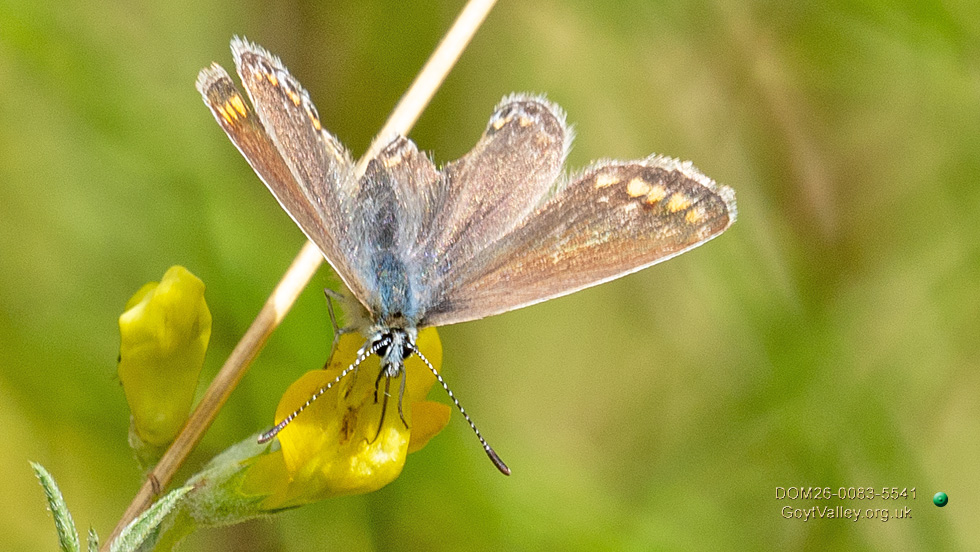
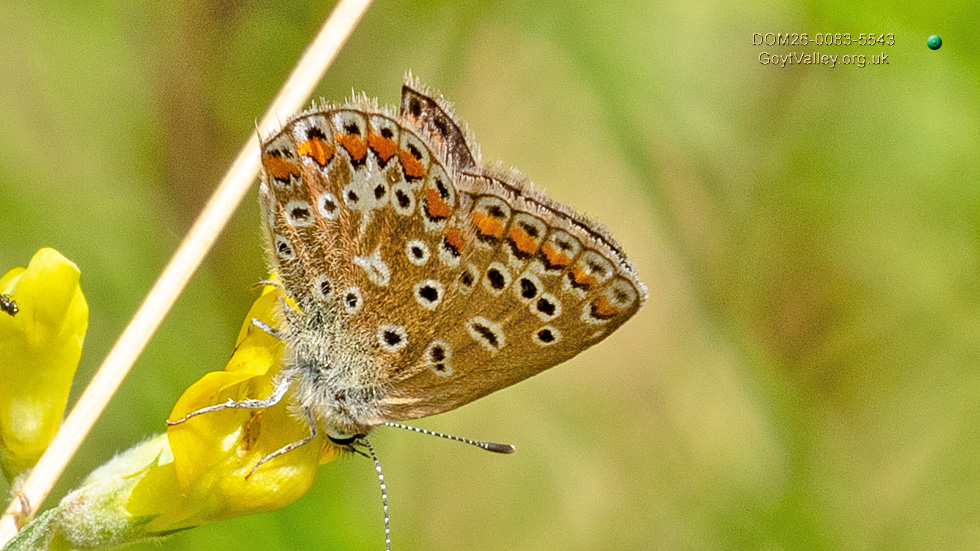
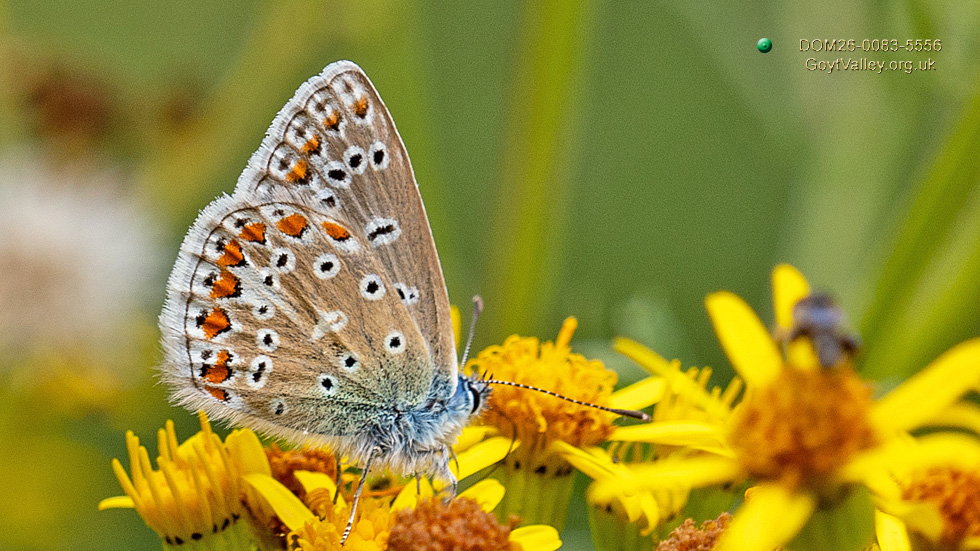
| These are the brown upper wings of the female Common Blue Butterfly, which could be mistaken for the Brown Argus. The next image showing the lower wings, confirms it is definitely the female Common Blue. NB: Very overcast and cool and I would like to return on a hot day: August 6th. 2026 |
| |
 |
| |
| The female Common Blue: August 6th. 2026 |
| |
 |
| |
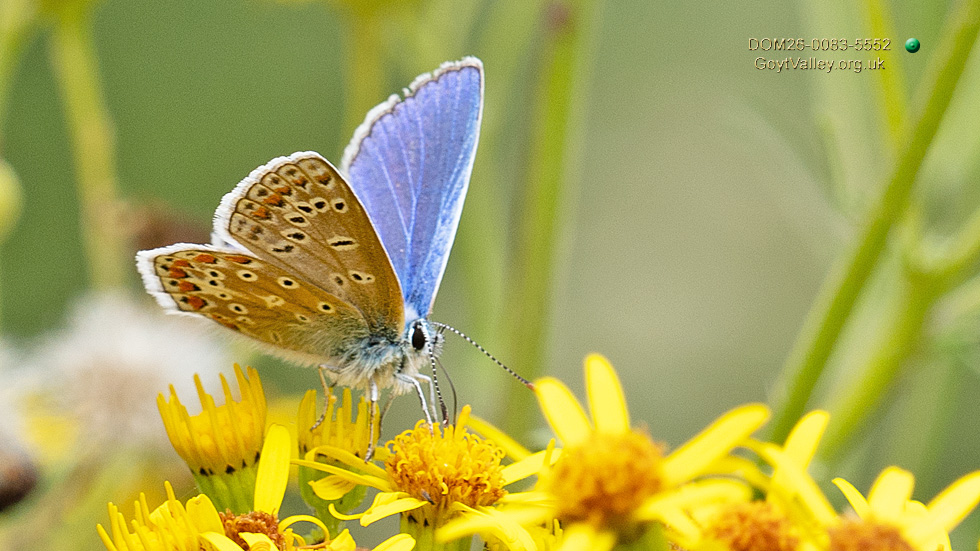
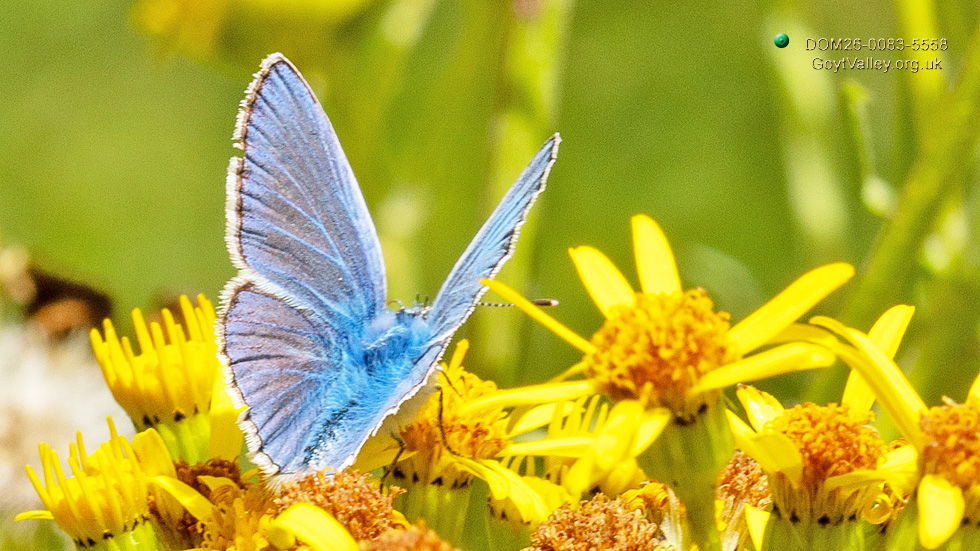
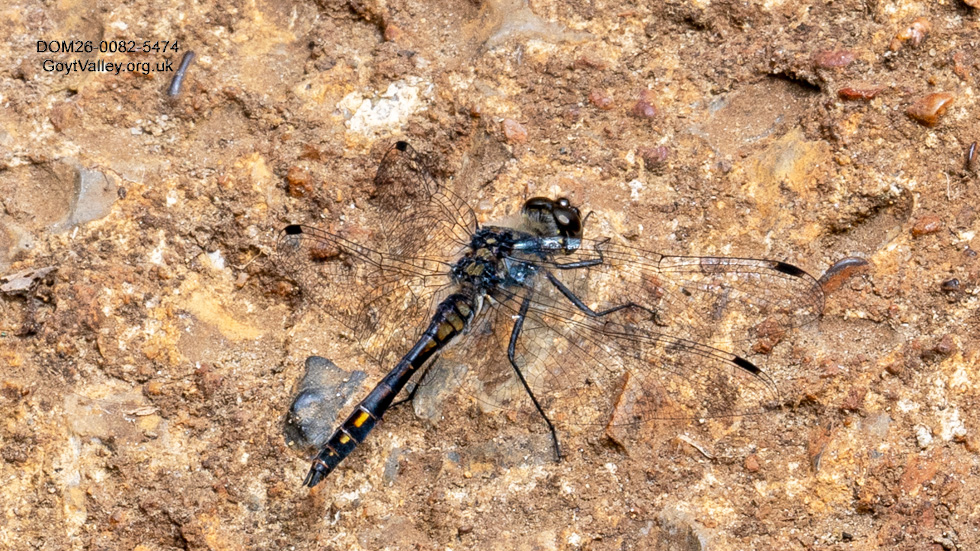
| The male Common Blue: August 6th. 2026 |
| |
 |
| |
| The male Common Blue: August 6th. 2026 |
| |
 |
| |
| The male Common Blue: August 6th. 2026 |
| |
| |
| |
 |
| |
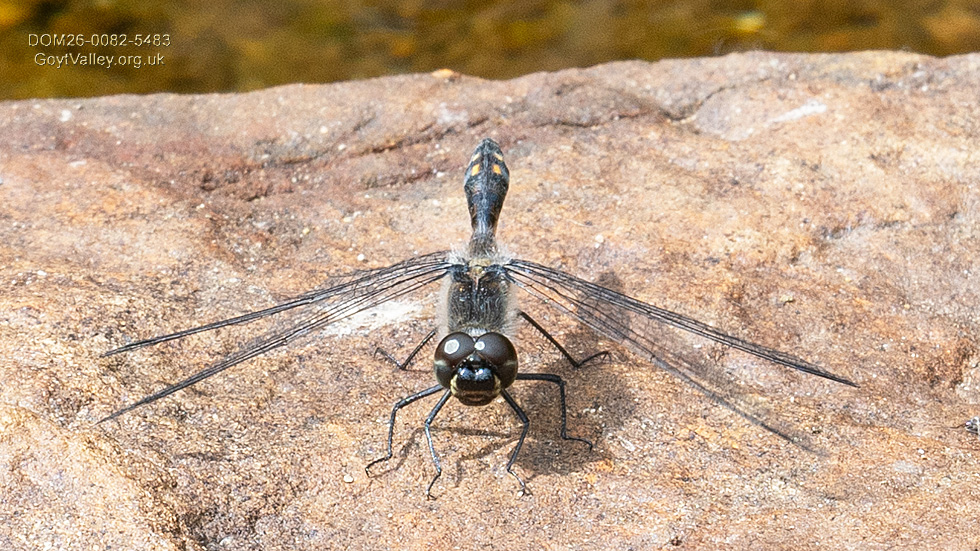
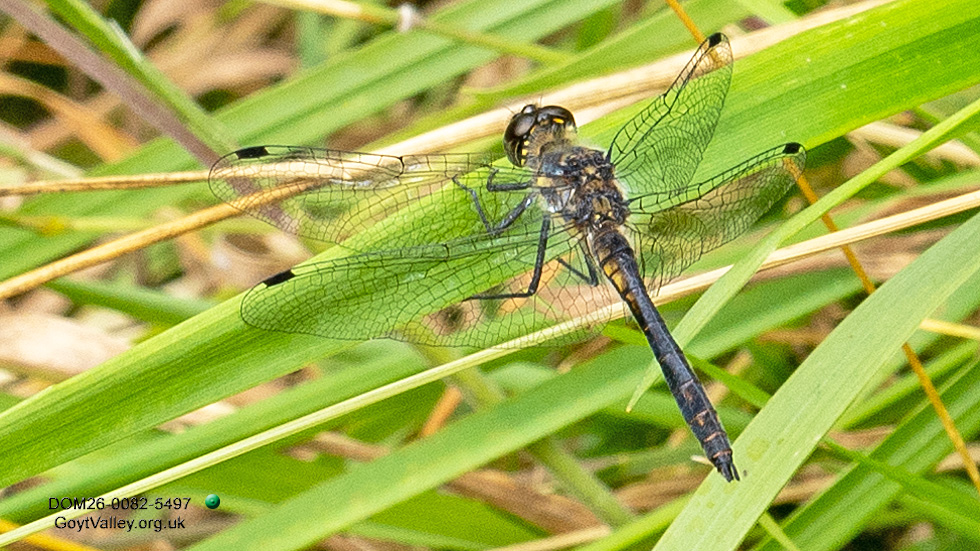
| With no expectations on setting off, I bumped into the Black Darter Dragonfly at Buxton Lightwood, in a spot where I always stop for a visit. I first sit nearby (but not too near) on some stone steps and observe the zone. The Black Darter was seen once and I launched myself down into the zone. The UK's smallest and my favourite. This is the male which is all black and beautiful: August 4th. 2026 |
| |
 |
| |
| The same insect landed on a stone and gave me a head shot. If that was the lighter coloured female you would see a very distinctive black triangle (diagnostic) behind the head: August 4th. 2026 |
| |
 |
| |
| I suspect this is a different Black Darter as it kept landing on vegetation, not stone. There were at least three about plus Common Darters and Hawkers (probably Southern). The Golden-ringed Dragonfly (the UK's largest) not seen: Agust 4th. 2026 |
| |
| |
| |
 |
| |
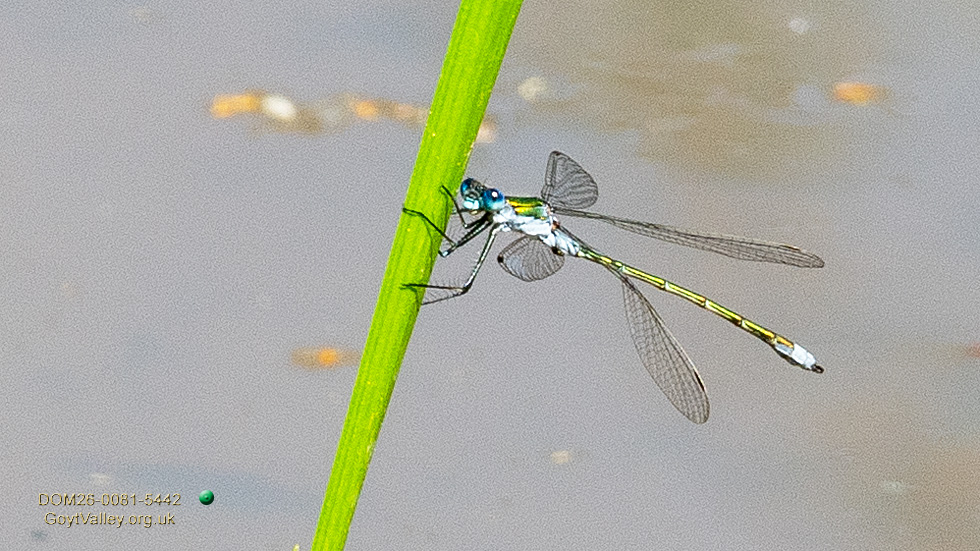
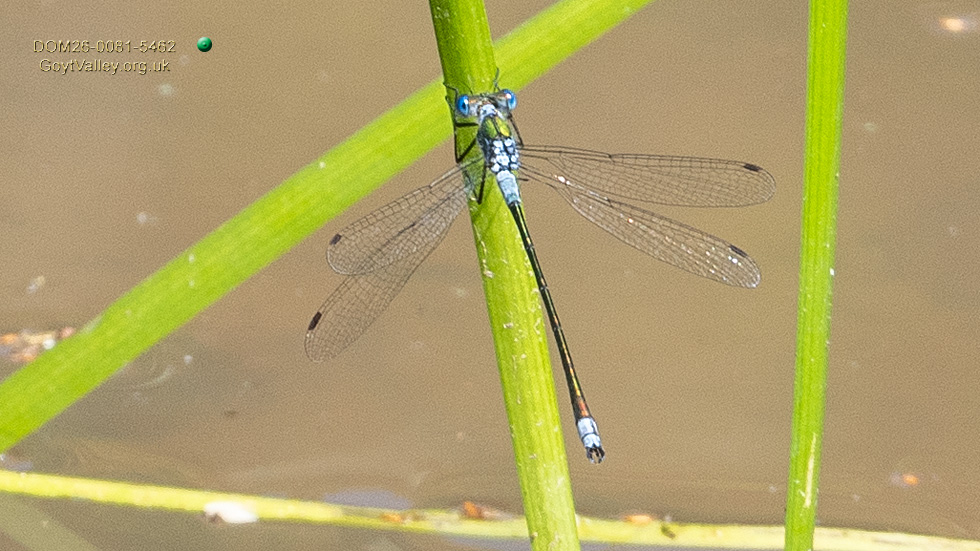
| Following a discussion over the weekend, I took a trip down to Abney Hall and all the wildlife ponds at the back are decimated. Overgrown and no water. I saw one wet patch, no more than a puddle to be strictly accurate. I was also surprised at the absence of Butterflies despite the 28C temperature. I will not be returning. I got this Emerald Damselfly when I called in to my local nature reserve on my way home. Little else see aside from the plethora of Common Darters and that lone Ruddy Darter: August 3rd. 2026 |
| |
 |
| |
| The same Emerald Damselfly: August 3rd. 2026 |
| |
| |
| |
 |
| |
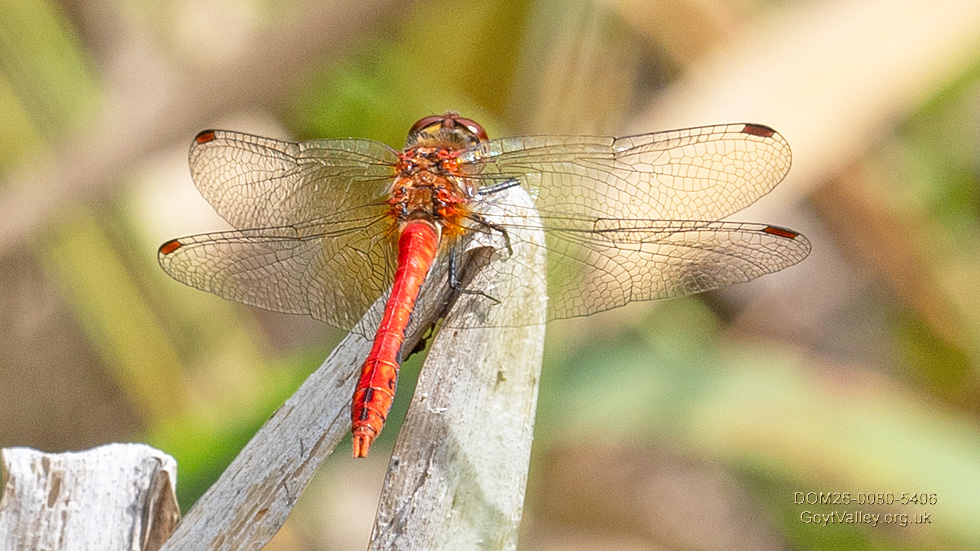
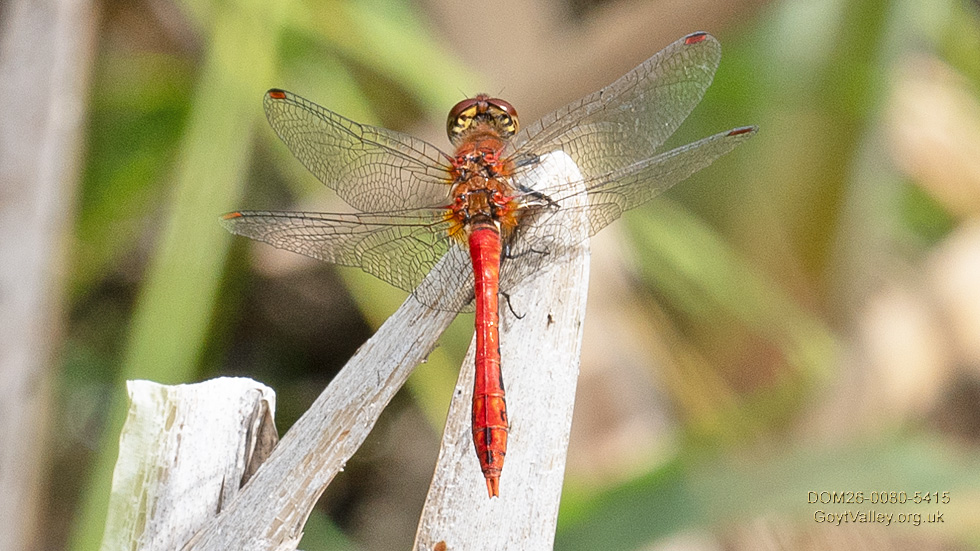
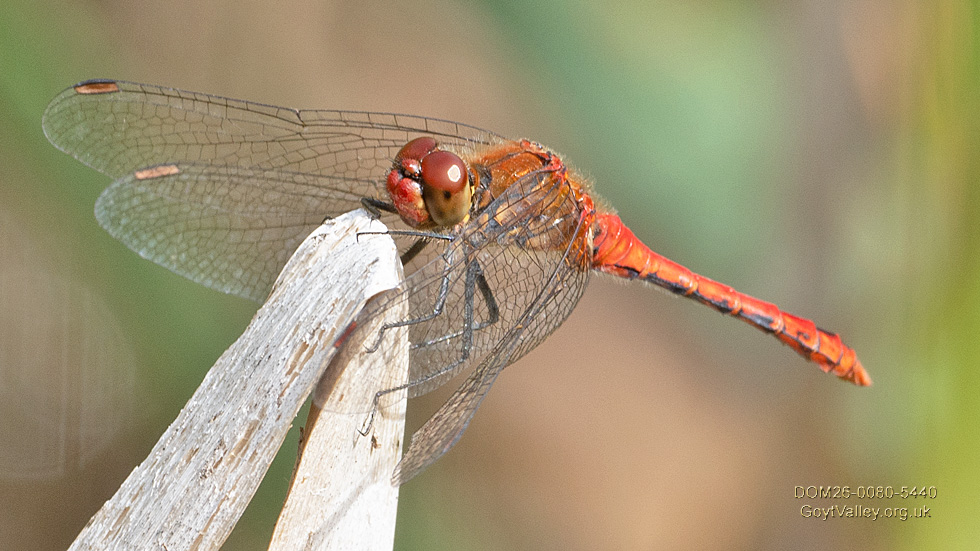
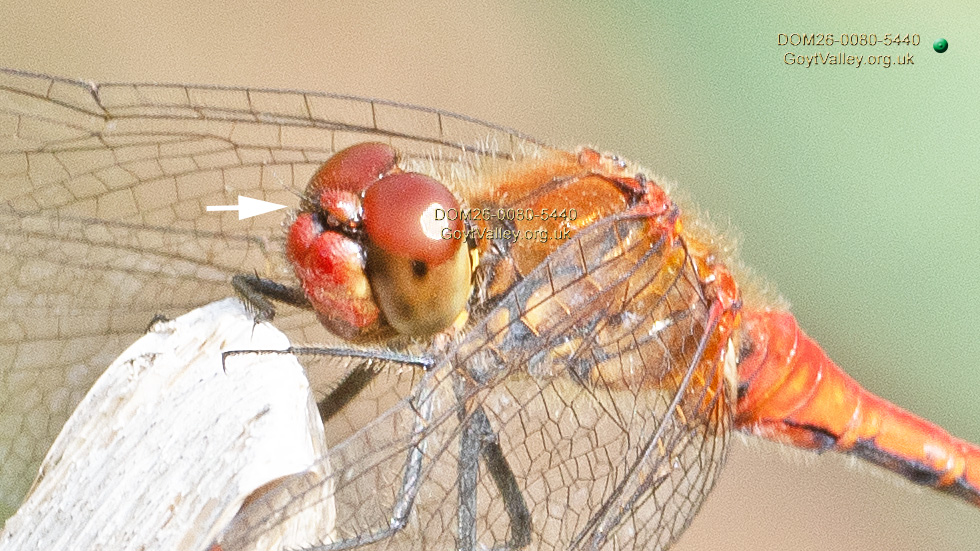
| The first four images are of the same insect, a relatively uncommon Ruddy Darter Dragonfly (Sympetrum sanguineum). This one at my local Nature Reserve which is now sadly very overgrown and unkempt. I was fortunate enough to bump into an old acquaintance, also a keen nature photographer and tip her off about this: August 2nd. 2026 |
| |
 |
| |
| The reason for four images is an attempt to point to diagnostic features, given they are usually disregarded and mistaken for the male Common Darter Dragonfly. In this shot the insect clearly has the narrow waist (diagnostic) and a significantly swollen abdomen (diagnostic). In addition the main colour looks hi-viz to me as I had just been dodging a large number of male Common Darters flying around me and this one, on the wing, was obviously bolder in colour, hence the name Ruddy. The male Common Darters also have the habit of landing on the path and taking off again endlessly. The Ruddy Darter does not and seems to prefer a higher perch: August 2nd. 2026 |
| |
 |
| |
| The legs on the Ruddy Darter are entirely jet black. On the Common Darter a yellow stripe runs down each leg. There appears to be some light stripe down this Darter's legs in this image but that is reflection/glare from the strong sunlight, also note on the shiny bits of the eye: August 2nd. 2026 |
| |
 |
| |
| One other officially recognised diagnostic feature is the existence of a black line across the face, extending part way down each side. Not seen in the Common Darter. In my opinion, only useful perhaps if you hold a physical specimen of each species. The body shape says it all as well as the hi-viz colouration, which, with experience, I can easily spot at a distance when in flight as well as when settled on a perch. The male Common Darter (also red) always looks 'jaded': August 2nd. 2026 |
| |
 |
| |
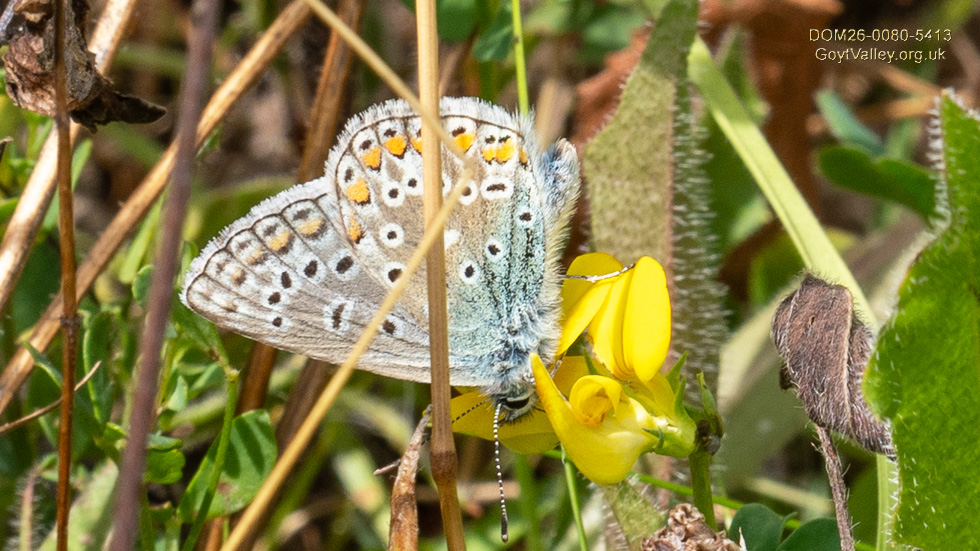
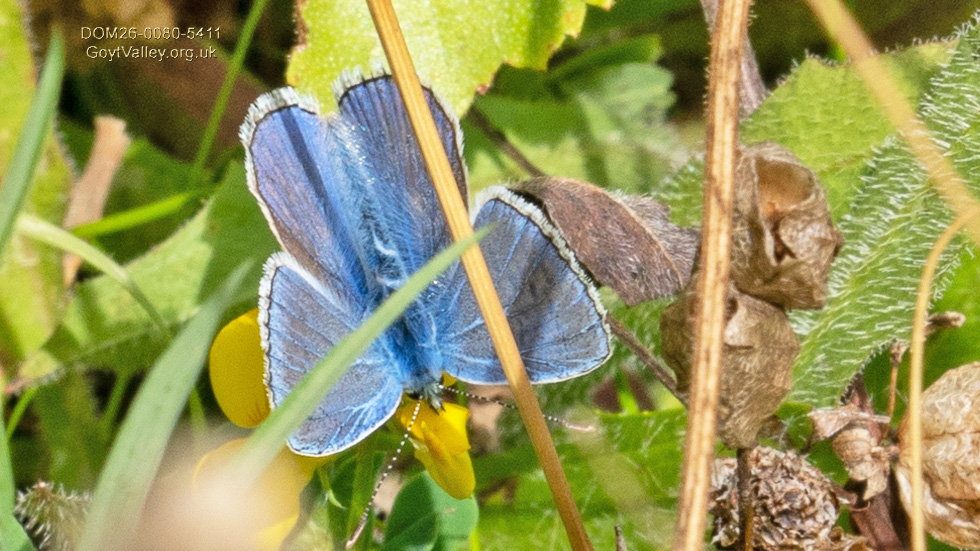
| I am routinely seeing good numbers of Holly Blue Butterflies this year (no idea why), when I have very rarely seen them in the past. They seem to be everywhere in the Goyt. This insect is the Common Blue Butterfly which is not so common. Tends to land low down in grassy areas whereas the Holly Blue seems to like a perch higher up on a flower head (handy for photographers). As shown below the Common Blue is not shy about showing off its upper wings, the Holly Blue never does: Augsut 2nd. 2026 |
| |
 |
| |
| Their low-down-in-the-grass habit makes photography challenging although we do occasionally get lucky: August 2nd. 2026 |
| |
| |
| |
 |
| |
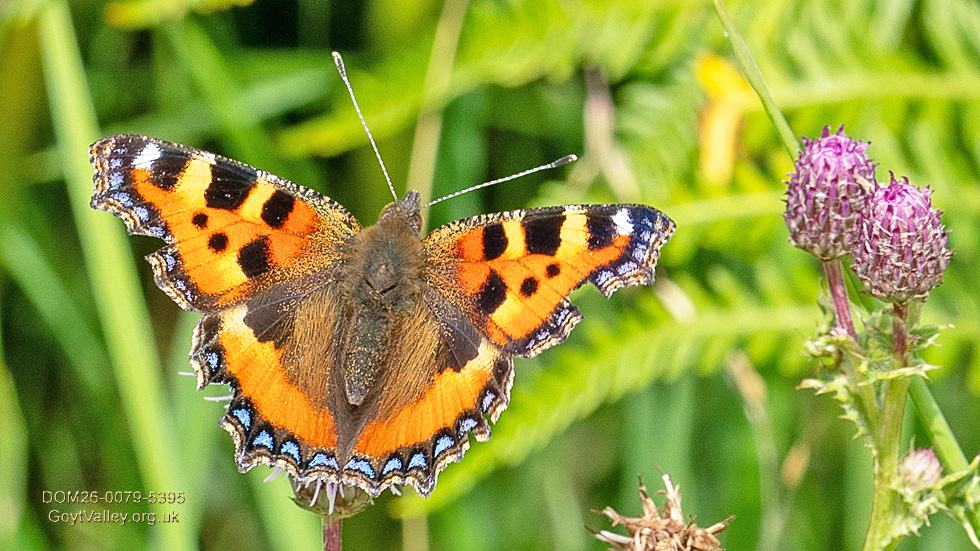
| Relatively quiet today with a strong breeze blowing across the hills. The Butterfly population has shrunk for now and even the Small Heath Butterflies are less plentiful. A few Small Tortoiseshell Butterflies as above: August 1st. 2026 |
| |
| top |
| |